12 Best Solar Inverters for Net Metering: Hybrid & Grid-Tie
-
Share
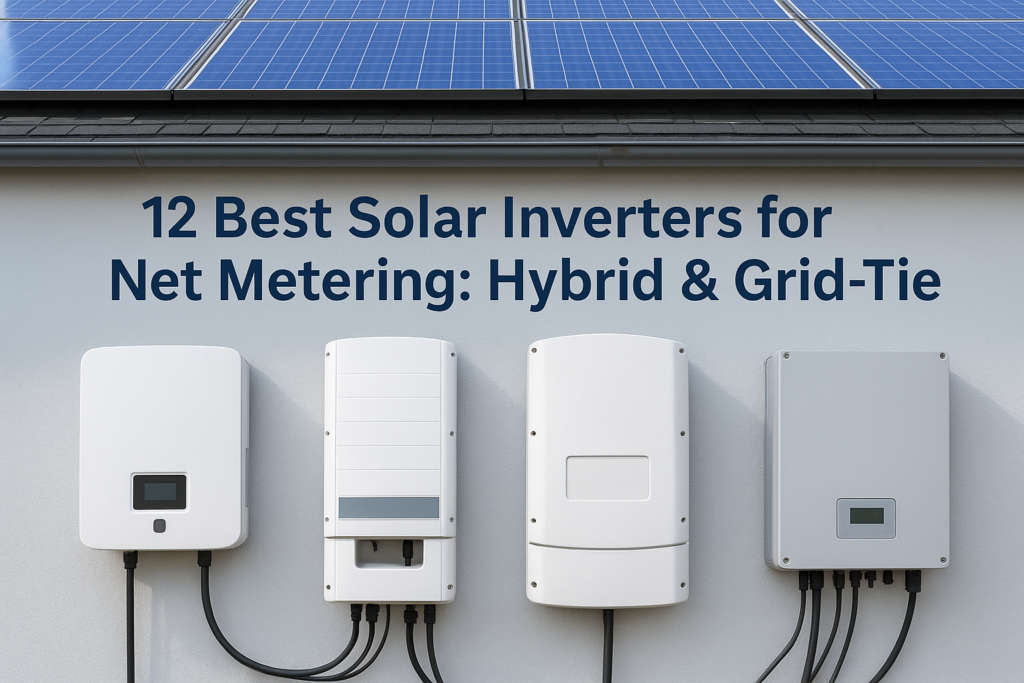
Your solar panels might be top-of-the-line, but if your inverter can’t communicate properly with the grid, you’re leaving money on the table. Choosing the best solar inverter for net metering directly affects how much credit you earn from your utility company, and how fast your system pays for itself. It’s the single most underappreciated component in a grid-tied or hybrid solar setup, yet it controls everything from energy export accuracy to system monitoring.
Not every inverter handles net metering the same way. Some excel at maximizing export efficiency, others pair better with battery storage for hybrid configurations, and a few fall short on grid compliance or monitoring features that Florida utilities require. With over 40 years of solar installation experience and more than 50,000 systems installed across Florida, we’ve seen firsthand at Advance Solar & Spa how the right inverter choice can mean the difference between a system that just works and one that truly performs.
This guide breaks down 12 inverters, both hybrid and grid-tie, that we consider the strongest options for net metering right now. We’ll cover efficiency ratings, compatibility, monitoring capabilities, and real-world performance so you can match the right inverter to your specific setup. Whether you’re installing a new system or upgrading an existing one, this list will help you make a confident, informed decision.
1. Enphase IQ8 series with Advance Solar & Spa
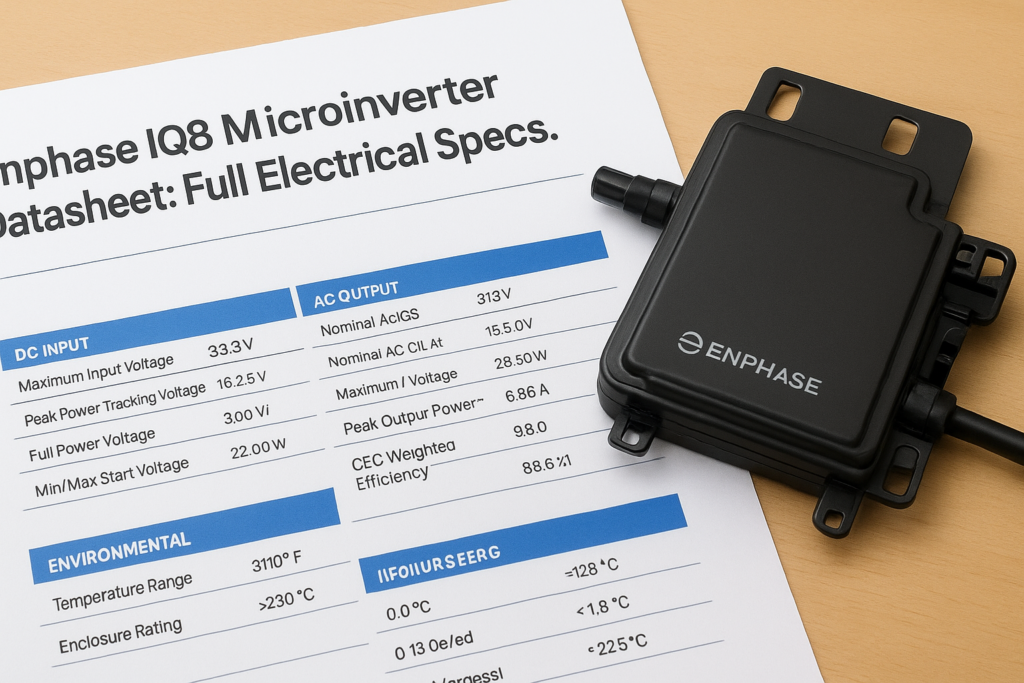
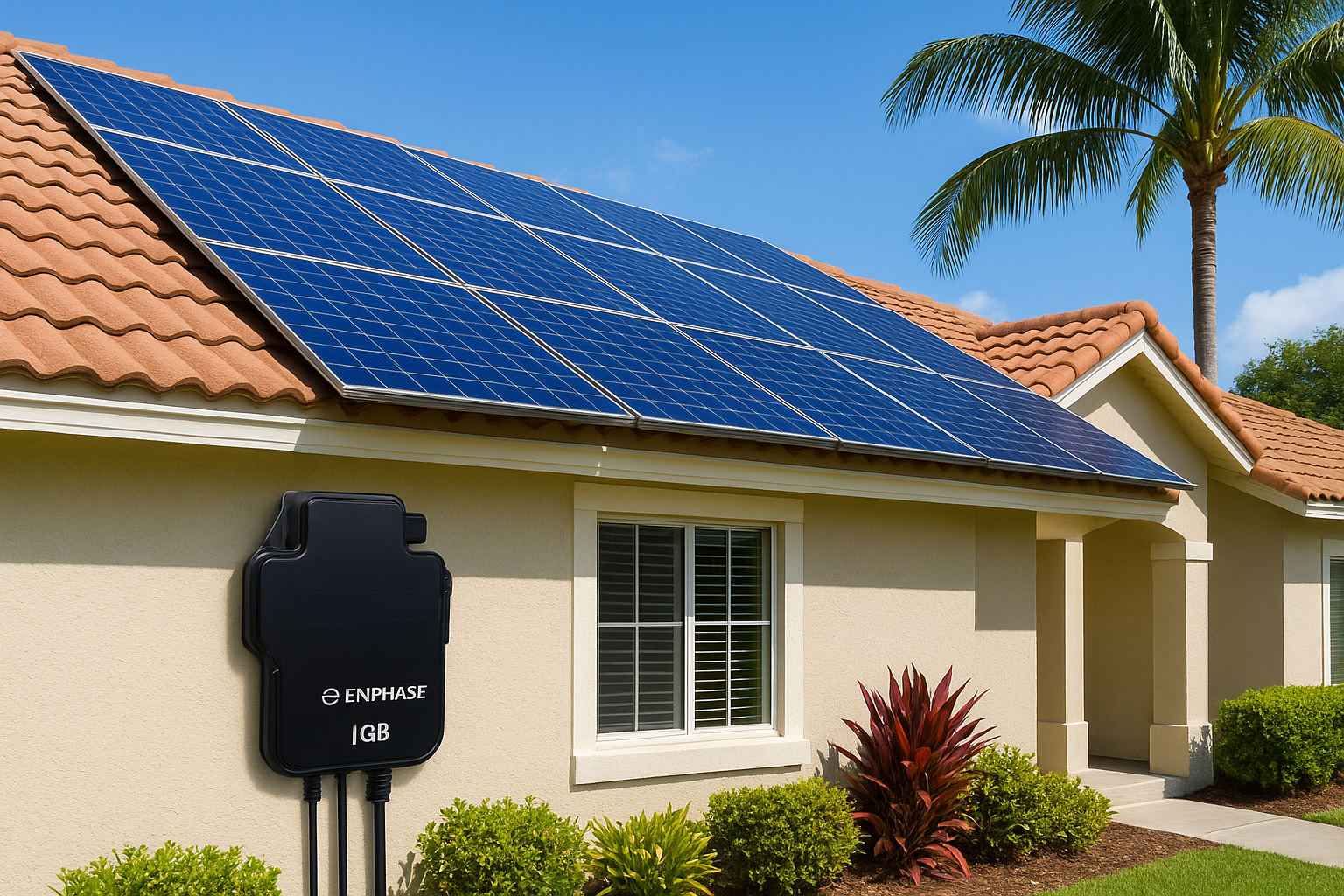
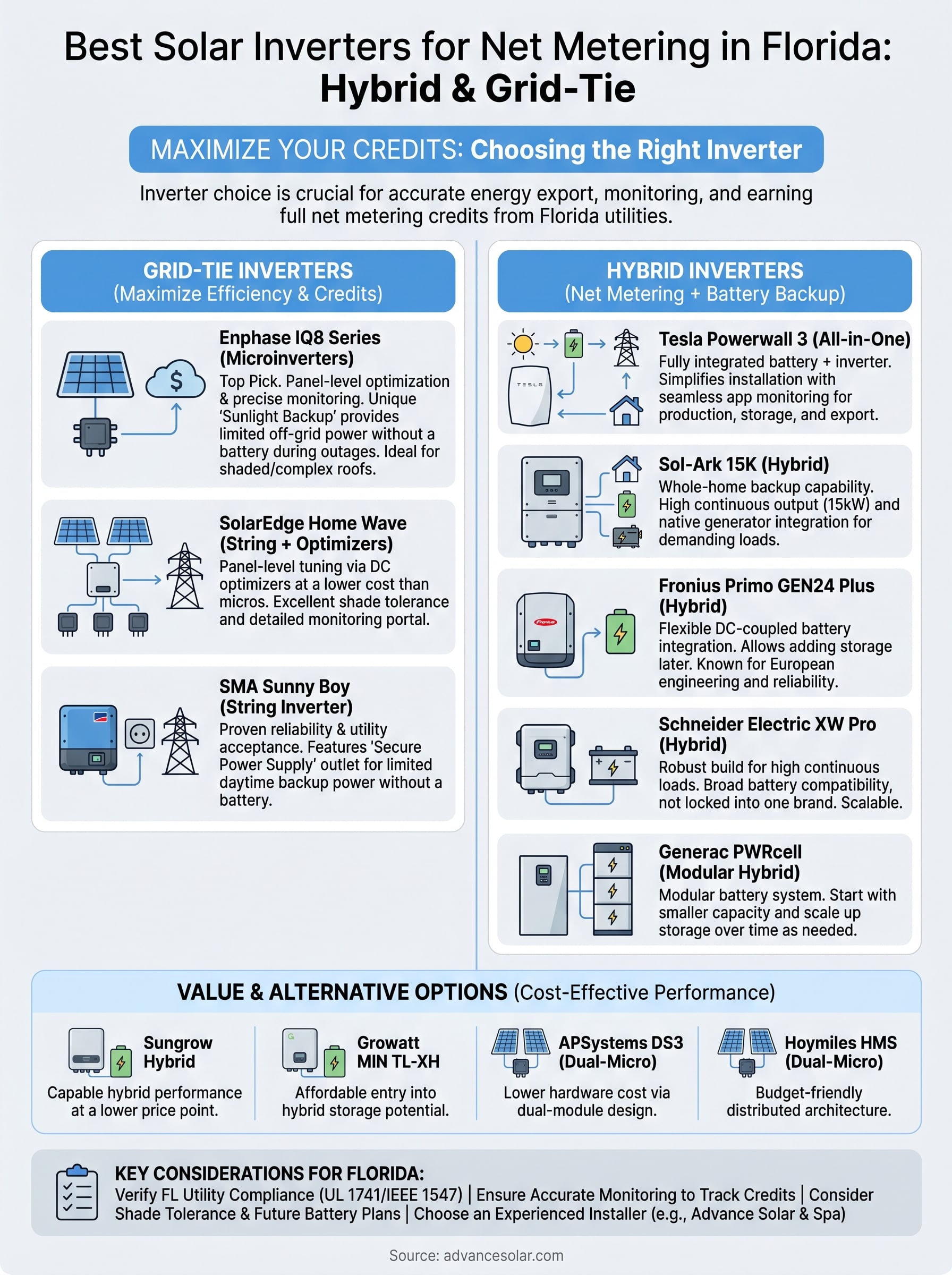
The Enphase IQ8 microinverter series is the top pick on this list for one key reason: each panel operates independently, which gives you precise, panel-level energy reporting and export control. As a certified Enphase Platinum Installer, Advance Solar & Spa has deployed these systems across hundreds of Florida homes, and their performance on net metering programs is consistently strong.
Net metering readiness
The IQ8 series is built to communicate with your utility in real time through Enphase’s Enlighten monitoring platform, which tracks exactly how much energy your system exports. Florida utilities, including FPL and Duke Energy Florida, accept Enphase systems for net metering interconnection. The IQ8 also includes Sunlight Backup mode, which lets select panels power essential loads during a grid outage without a battery, a feature no standard string inverter offers.
The IQ8 is the only microinverter with a built-in grid-forming capability, meaning it can operate in a limited capacity even when the grid goes down.
Pros and cons
The biggest advantage of the IQ8 is panel-level optimization and monitoring, which means shading on one panel doesn’t drag down your whole system’s output. This directly improves how much energy you can export and credit through net metering. Installation is also straightforward since there’s no single point of failure.
The main drawback is cost per watt, which runs higher than a comparable string inverter setup. If your roof has no shading issues and you’re on a tight budget, a string inverter may deliver similar net metering performance at a lower upfront cost. The IQ8 also requires the Enphase IQ Gateway for full monitoring, which adds a small but real installation complexity.
Best for
The IQ8 series is the best solar inverter for net metering when your roof has multiple angles, partial shading from trees or vents, or when you plan to add battery storage later. It’s especially well-suited for Florida homeowners who want detailed production data to verify net metering credits on their monthly utility bills.
Price range
A full residential IQ8 system installed through Advance Solar & Spa typically falls in the $2.80 to $3.50 per watt range depending on system size and configuration. For a standard 10 kW residential system, you’re looking at $28,000 to $35,000 before incentives, with the federal solar tax credit reducing that cost by 30%.
2. Tesla Powerwall 3
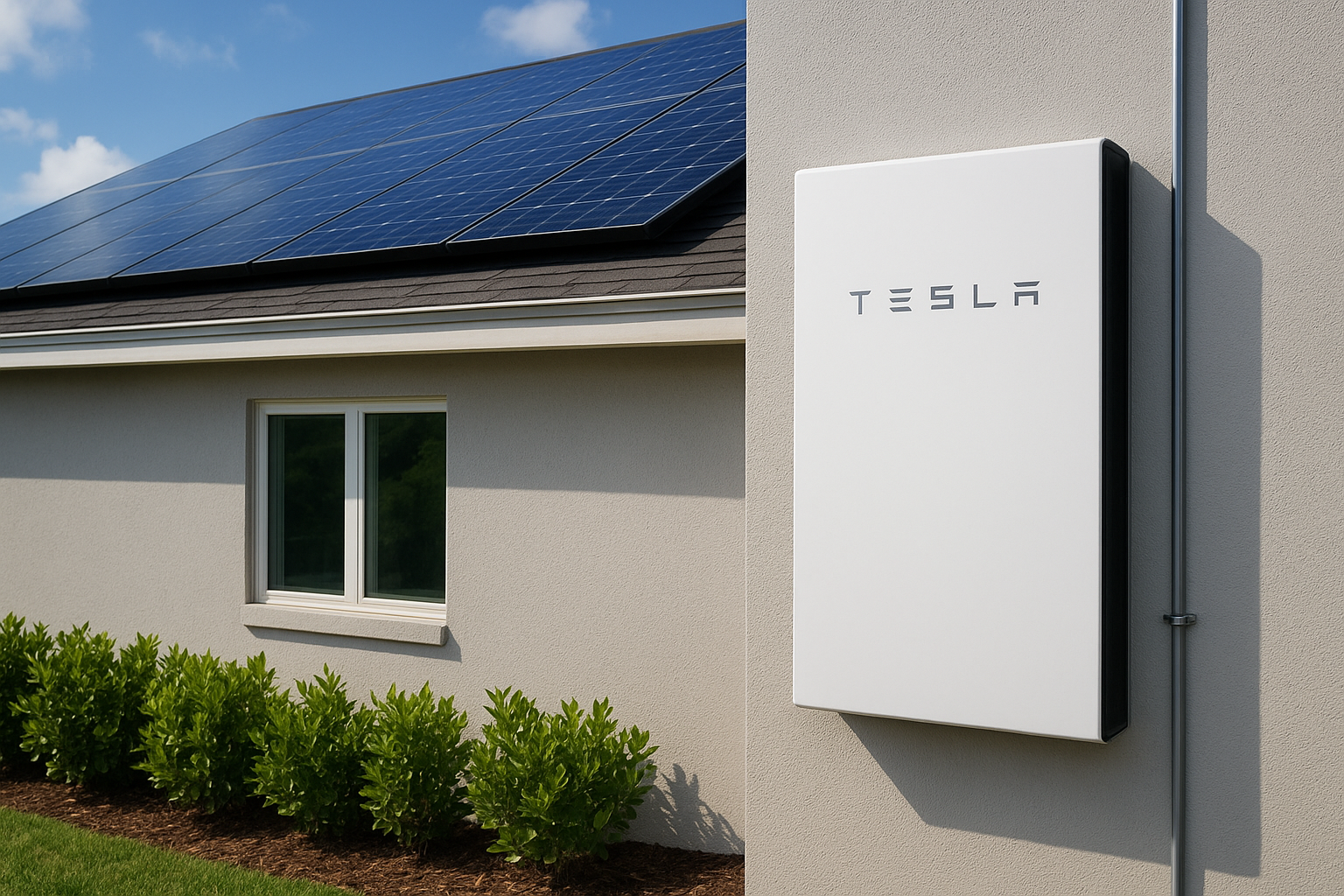
The Tesla Powerwall 3 takes a different approach from traditional inverters by combining a fully integrated battery storage system with a built-in solar inverter in a single unit. This all-in-one design simplifies installation and removes the need for a separate solar inverter, making it a strong contender if you want storage and grid-tie capability from one device.
Net metering readiness
The Powerwall 3 connects directly to your utility grid and supports bidirectional energy metering, exporting excess solar production back to the grid for net metering credits. Tesla’s app gives you real-time visibility into what your system produces, consumes, stores, and exports, which makes it easy to verify your utility credits each billing cycle. Florida utilities including FPL accept Powerwall 3 for net metering interconnection.
The Powerwall 3 supports up to 20 kW of solar input natively, which makes it one of the most capable integrated inverter-battery units on the market today.
Pros and cons
The Powerwall 3’s biggest strength is its clean, single-unit installation that handles solar inversion, battery storage, and grid export in one package. Monitoring through the Tesla app is intuitive and detailed. The limitation is that it locks you into Tesla’s ecosystem, and expanding beyond its rated solar input requires additional hardware. Warranty service can also be slower than local installers offer.
Best for
The Powerwall 3 is best for homeowners who want a simple, integrated system with battery backup and net metering capability without managing multiple components. It’s an excellent pick if backup power during Florida’s hurricane season is a priority alongside maximizing net metering savings, making it one of the best solar inverter for net metering options for storage-focused buyers.
Price range
Installed cost typically runs $15,000 to $20,000 for a single Powerwall 3 unit with solar connection, before applying the 30% federal tax credit.
3. SolarEdge Home Wave inverter with optimizers
The SolarEdge Home Wave inverter pairs a central string inverter with individual DC power optimizers mounted behind each panel. This combination gives you panel-level performance tuning without the full cost of a microinverter system, making it one of the most widely adopted grid-tie setups in the residential solar market.
Net metering readiness
SolarEdge inverters are fully compliant with IEEE 1547 and UL 1741 grid interconnection standards, which Florida utilities require for net metering approval. The system exports precisely metered AC power back to the grid, and the SolarEdge monitoring portal tracks production and export data at both the system and panel level, giving you the documentation you need to verify utility credits.
SolarEdge’s optimizer-based architecture also allows the system to continue producing at reduced output even when one optimizer fails, which protects your net metering earnings from a single point of failure.
Pros and cons
The optimizer and inverter combination delivers strong shade tolerance and detailed monitoring at a lower installed cost than a full microinverter system. SolarEdge also offers solid battery storage integration through its Home Battery product line. The main limitation is that the central inverter remains a single point of failure, and replacing it involves more labor than swapping a microinverter unit.
Best for
This setup works well for homeowners seeking the best solar inverter for net metering at a mid-range budget with moderate shading and a preference for a single monitoring platform.
Price range
Installed systems typically run $2.50 to $3.20 per watt, or roughly $25,000 to $32,000 for a 10 kW system before the 30% federal tax credit.
4. SMA Sunny Boy series
The SMA Sunny Boy is one of the most established string inverters in the residential solar market. SMA is a German manufacturer with decades of grid-tie expertise, and the Sunny Boy series reflects that experience through solid reliability, transparent monitoring, and strong compliance with utility interconnection standards.
Net metering readiness
SMA Sunny Boy inverters comply with UL 1741 and IEEE 1547 standards, which are the interconnection requirements Florida utilities use to approve net metering applications. The inverters export AC power precisely to the grid, and SMA’s SunnyPortal monitoring platform gives you system-level production and export data you can reference when reviewing utility credits each month. The Sunny Boy also features a secure power supply outlet that delivers limited power during grid outages without a battery.
SMA’s Secure Power Supply function can output up to 2,000 watts from a dedicated outlet during a grid outage, giving you a basic backup option without a battery system.
Pros and cons
The Sunny Boy’s long track record and broad utility acceptance make it a low-friction choice for net metering interconnection approvals. It also carries a strong warranty and widely available service support. On the downside, it lacks panel-level monitoring natively, so you won’t catch individual panel underperformance without adding third-party optimizers.
Best for
The SMA Sunny Boy works well for homeowners who want a proven, utility-accepted grid-tie inverter for net metering on a roof with minimal shading. It’s a dependable pick if you’re not prioritizing battery storage integration.
Price range
Installed costs typically run $2.20 to $2.90 per watt, or roughly $22,000 to $29,000 for a 10 kW system before the 30% federal tax credit.
5. Fronius Primo GEN24 Plus
The Fronius Primo GEN24 Plus is an Austrian-engineered hybrid inverter that handles both grid-tie solar production and battery storage within a single unit. It stands out in the residential market for its flexible DC-coupled battery integration and its strong reputation for reliability across European and North American installations.
Net metering readiness
The GEN24 Plus meets UL 1741 and IEEE 1547 grid interconnection standards, which Florida utilities require before approving net metering applications. The inverter exports AC power cleanly to the grid, and Fronius’s Solar.web monitoring platform logs production and export data in real time so you can cross-check your utility credits each billing cycle without guesswork.
The GEN24 Plus supports “PV Point” emergency power, which delivers a limited output from a dedicated outlet during grid outages without requiring a full battery installation.
Pros and cons
The GEN24 Plus offers strong hybrid flexibility, letting you add DC-coupled battery storage later without replacing the inverter. Its monitoring platform is detailed and well-organized. The limitation worth noting is that Fronius service availability varies by region, so confirming your installer has local support access before purchasing is important.
Best for
The Fronius Primo GEN24 Plus is the best solar inverter for net metering if you want a capable hybrid platform with reliable European engineering and plan to add battery storage in phases as your budget allows. It suits homeowners who prioritize long-term system expandability over the lowest upfront price.
Price range
Installed costs typically run $2.60 to $3.30 per watt, or roughly $26,000 to $33,000 for a 10 kW system before the 30% federal tax credit.
6. Sungrow residential hybrid inverter
The Sungrow residential hybrid inverter is a Chinese-engineered unit that has gained significant traction in North American markets for delivering capable hybrid performance at a lower price point than many European or American competitors. It handles both solar inversion and battery storage integration, making it a practical option for homeowners who want net metering and backup power without overspending.
Net metering readiness
Sungrow’s residential hybrid line meets UL 1741 and IEEE 1547 grid interconnection standards, so Florida utilities will process your net metering interconnection application without issue. The inverter exports AC power back to the grid cleanly, and Sungrow’s iSolarCloud monitoring platform gives you production and export data in real time so you can confirm your utility credits each billing cycle.
Sungrow is one of the largest inverter manufacturers in the world by shipped capacity, which means broad third-party compatibility and readily available technical documentation.
Pros and cons
The strongest case for Sungrow is its value per watt, especially for homeowners who want hybrid capability without paying a premium for a European brand name. Battery integration with Sungrow’s own storage units is seamless. The trade-off is that local service and installer familiarity can vary significantly in Florida, so confirming your installer has hands-on experience with Sungrow before committing matters.
Best for
Sungrow works well for budget-conscious homeowners who want a hybrid inverter for net metering with storage expansion potential and are comfortable with a newer brand in the Florida market.
Price range
Installed costs typically run $2.20 to $2.80 per watt, or roughly $22,000 to $28,000 for a 10 kW system before the 30% federal tax credit.
7. Sol-Ark 15K hybrid inverter
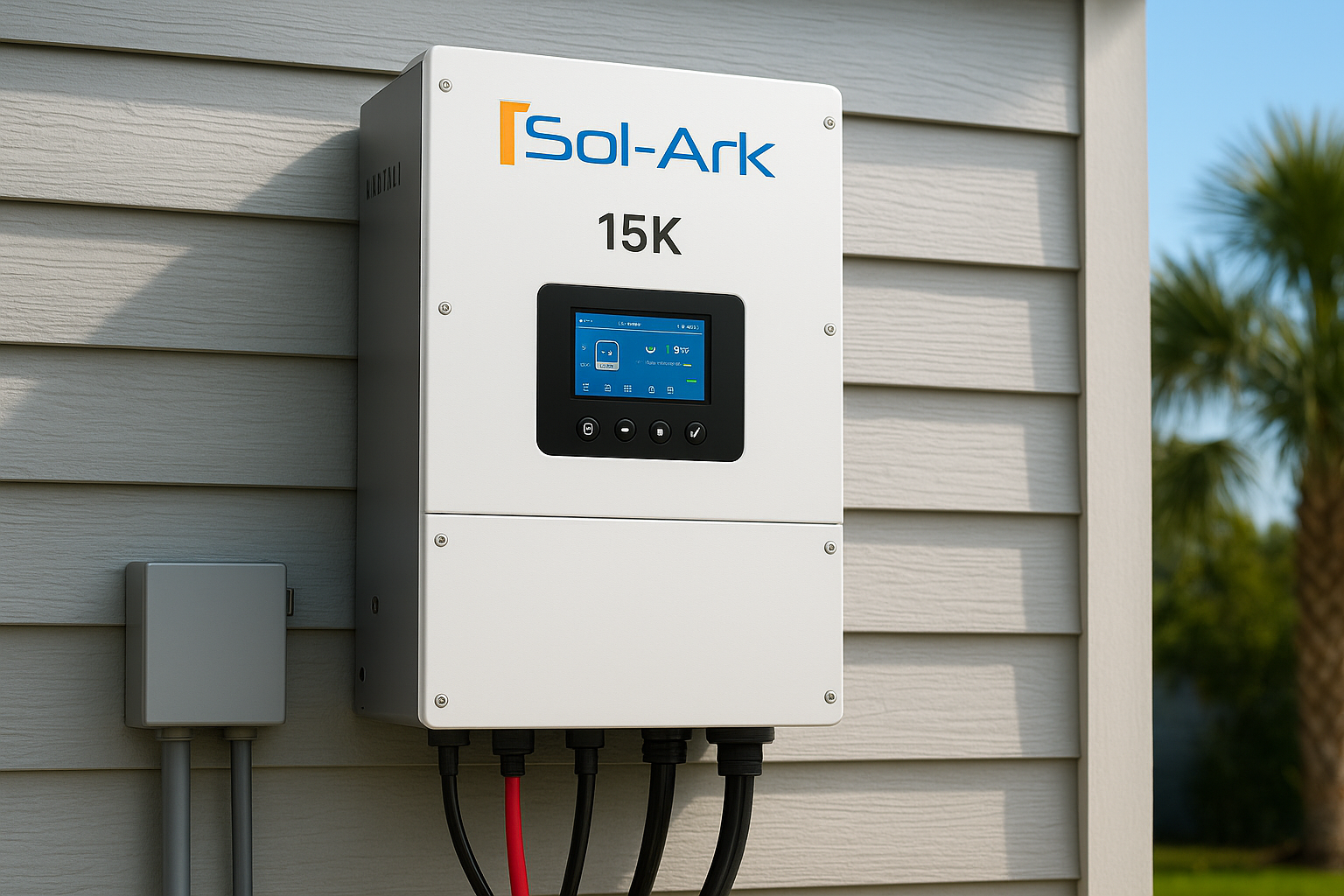
The Sol-Ark 15K is a US-made hybrid inverter built to handle demanding energy loads and complex grid configurations. It’s designed from the ground up for whole-home backup and grid-tie operation, which makes it a serious option if you want both strong net metering performance and resilience during Florida’s frequent grid disruptions.
Net metering readiness
Sol-Ark built the 15K to meet UL 1741 SA and IEEE 1547 interconnection standards, which Florida utilities require before approving net metering applications. It exports excess solar production back to the grid accurately, and its built-in monitoring tracks both production and export data so you can verify your utility credits without relying on a separate platform.
The Sol-Ark 15K supports native generator integration, which adds a backup layer beyond battery storage alone for properties with critical power needs.
Pros and cons
The Sol-Ark 15K delivers industry-leading 15 kW continuous output, which covers large homes with high AC loads during both grid-tied and backup operation. Its all-in-one design includes a built-in transfer switch, removing the need for additional hardware. On the downside, its higher upfront cost compared to most residential hybrid inverters makes it harder to justify for smaller systems where that output capacity goes unused.
Best for
This inverter suits homeowners searching for the best solar inverter for net metering who also need heavy-duty backup capacity. It performs especially well for large Florida homes with high power demands and critical backup requirements during hurricane season.
Price range
Installed costs typically run $3.00 to $3.80 per watt, or roughly $30,000 to $38,000 for a 10 kW system before the 30% federal tax credit.
8. Schneider Electric XW Pro
The Schneider Electric XW Pro is a North American-engineered hybrid inverter built for demanding off-grid and grid-tie applications. It handles high continuous output loads and offers strong battery integration, making it a practical choice for homeowners who need both reliable net metering and substantial backup power capacity in a single unit.
Net metering readiness
The XW Pro meets UL 1741 and IEEE 1547 grid interconnection standards, which Florida utilities require before approving net metering applications. It exports excess solar production back to the grid accurately, and Schneider’s InsightHome monitoring platform gives you real-time visibility into production and export data so you can confirm your utility credits every billing period without digging through paper statements.
The XW Pro supports stacking multiple units in parallel, which lets you scale both your inverter capacity and battery bank as your energy needs grow over time.
Pros and cons
The XW Pro’s strongest advantage is its robust build quality and broad battery compatibility, which allows integration with multiple battery chemistries rather than locking you into a single manufacturer’s storage product. North American engineering and support infrastructure also make service coordination straightforward. The main limitation is that its larger physical footprint and higher upfront cost can make it harder to justify for standard residential systems with modest energy demands.
Best for
The XW Pro suits homeowners looking for the best solar inverter for net metering who also run large energy loads or critical equipment that require uninterrupted power during grid outages.
Price range
Installed costs typically run $3.20 to $4.00 per watt, or roughly $32,000 to $40,000 for a 10 kW system before the 30% federal tax credit.
9. Generac PWRcell inverter
The Generac PWRcell inverter is a hybrid unit built around Generac’s modular battery storage system. It combines a grid-tie solar inverter with integrated battery management, giving you both net metering capability and backup power from a single platform. Generac has positioned the PWRcell as a whole-home energy management solution, targeting homeowners who want to coordinate solar production, battery storage, and utility export through one system.
Net metering readiness
The PWRcell inverter meets UL 1741 and IEEE 1547 grid interconnection standards, which Florida utilities require before they approve your net metering application. It exports excess solar production back to the grid accurately, and Generac’s PWRview monitoring app tracks both your production and export data in real time so you can confirm your utility credits each billing cycle without relying on estimates.
The PWRcell’s modular battery design lets you start with a smaller storage capacity and add battery modules over time, which spreads out your total system cost.
Pros and cons
The PWRcell’s modular expansion capability is its clearest advantage, since you can scale storage incrementally as your budget allows rather than buying maximum capacity upfront. Generac also carries broad name recognition and an established dealer network in Florida. The limitation worth noting is that battery module costs add up quickly if you need significant storage capacity from the start, which can push total installed costs above comparable integrated systems.
Best for
The PWRcell is a solid pick if you’re searching for the best solar inverter for net metering with a phased storage expansion plan and want a recognizable brand with local service support in Florida.
Price range
Installed costs typically run $3.00 to $3.70 per watt, or roughly $30,000 to $37,000 for a 10 kW system before the 30% federal tax credit.
10. Growatt MIN TL-XH series
The Growatt MIN TL-XH series is a Chinese-engineered hybrid inverter that has carved out a growing share of the residential solar market by offering solid hybrid performance at a price point well below most European and American competitors. It handles solar inversion and battery storage integration in a single unit, making it a practical entry point for homeowners who want both net metering capability and backup power without a large upfront investment.
Net metering readiness
The MIN TL-XH series meets UL 1741 and IEEE 1547 grid interconnection standards, which Florida utilities require before approving your net metering application. It exports excess solar production back to the grid accurately, and Growatt’s ShinePhone and ShineServer monitoring platforms give you real-time production and export data so you can cross-check your utility credits each billing cycle.
Growatt is one of the top five inverter manufacturers globally by shipped capacity, which means broad third-party compatibility and widely available replacement parts if service is ever needed.
Pros and cons
The MIN TL-XH’s value per watt is its most compelling feature, giving you hybrid capability at a cost that undercuts most competitors at this output range. Battery integration with Growatt’s own storage units is seamless. The trade-off is that installer familiarity and local service coverage can be inconsistent in Florida, so confirming your installer has direct Growatt experience before you commit is important.
Best for
The MIN TL-XH fits homeowners looking for an affordable entry into the best solar inverter for net metering category with hybrid storage potential and a limited upfront budget.
Price range
Installed costs typically run $2.00 to $2.60 per watt, or roughly $20,000 to $26,000 for a 10 kW system before the 30% federal tax credit.
11. APSystems DS3 series microinverters
The APSystems DS3 series is a dual-module microinverter that mounts behind two panels simultaneously, reducing hardware costs compared to single-module microinverter systems. APSystems has built a strong reputation in the microinverter space by offering panel-level performance in a more cost-efficient package than many competitors, making it a realistic alternative to Enphase for homeowners who want distributed architecture without the premium price.
Net metering readiness
The DS3 series meets UL 1741 and IEEE 1547 grid interconnection standards, which Florida utilities require before approving net metering applications. Each microinverter converts DC power to AC independently, so your system exports precisely metered AC energy back to the grid at the panel level. APSystems’ EMA monitoring platform logs production and export data in real time, giving you the detail you need to verify your utility credits each billing cycle.
The DS3’s dual-module design cuts the number of physical inverter units on your roof by half compared to single-module microinverters, which reduces both installation time and potential failure points.
Pros and cons
The DS3’s cost advantage over single-module microinverters is its clearest selling point, especially for larger systems where unit count adds up quickly. Panel-level operation also protects your net metering output from shading losses that would otherwise reduce a string inverter’s total export. The limitation is that APSystems has less brand recognition among Florida installers than Enphase, so confirming your installer has hands-on DS3 experience matters.
Best for
The DS3 series suits homeowners searching for the best solar inverter for net metering who want microinverter-level monitoring and shade tolerance at a lower per-unit cost than the leading microinverter brands.
Price range
Installed costs typically run $2.40 to $3.10 per watt, or roughly $24,000 to $31,000 for a 10 kW system before the 30% federal tax credit.
12. Hoymiles HMS series microinverters
The Hoymiles HMS series brings a dual-module microinverter into the market that competes directly with established names at a price point designed to appeal to budget-conscious buyers. Each unit mounts behind two panels and converts DC to AC power independently at the panel level, giving you distributed energy production without the single-point-of-failure risk that comes with a central string inverter.
Net metering readiness
Hoymiles HMS microinverters meet UL 1741 and IEEE 1547 grid interconnection standards, which Florida utilities require before approving your net metering application. The system exports accurately metered AC power back to the grid from each unit, and Hoymiles’ S-Miles Cloud monitoring platform provides real-time production and export data so you can verify your utility credits at the panel level every billing cycle.
Hoymiles has shipped over 3 million microinverter units globally, which reflects a manufacturing scale that supports consistent product quality and broad parts availability for long-term service needs.
Pros and cons
The HMS series delivers panel-level shade tolerance and detailed monitoring at an installed cost that frequently undercuts Enphase on a per-watt basis. Its dual-module design also keeps hardware counts manageable on larger roofs. The main limitation worth noting is that installer familiarity with Hoymiles in Florida is still developing, so confirming your installer has direct HMS hands-on experience before signing is worth the extra conversation.
Best for
Homeowners searching for the best solar inverter for net metering who want distributed microinverter architecture with solid monitoring capability at a lower per-unit cost than the market leaders will find the HMS series a strong fit.
Price range
Installed costs typically run $2.30 to $3.00 per watt, or roughly $23,000 to $30,000 for a 10 kW system before the 30% federal tax credit.
Next steps
Every inverter on this list earns its place as a contender for the best solar inverter for net metering, but the right pick for your home depends on your roof layout, energy goals, and whether you want battery backup alongside grid export. A system optimized for net metering credits in Florida needs to match your utility’s interconnection requirements and your household’s actual consumption patterns, not just check a spec sheet.
Choosing the wrong inverter can cost you years of suboptimal credits and unnecessary service headaches. The cleanest move is to work with an installer who knows Florida utilities inside and out and has real experience with the equipment you’re considering. With over 40 years of installations and more than 50,000 systems across the state, Advance Solar & Spa can walk you through your options, run the numbers, and design a system built to maximize your net metering returns from day one.