5 Best Places To Buy Off Grid Solar System Kits (2026)
-
Share
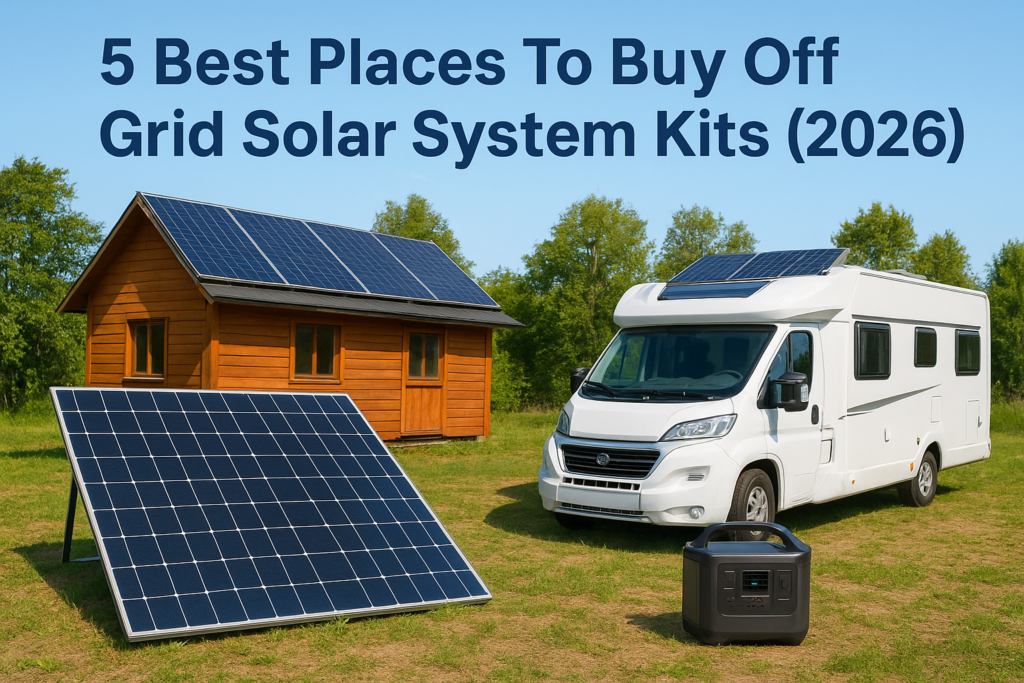
Whether you’re powering a remote cabin, outfitting an RV, or building a fully independent homestead, the decision to buy off grid solar system kits is one of the smartest energy moves you can make in 2026. Prices have dropped significantly over the past few years, component quality has improved, and there are more all-in-one kit options than ever before, panels, batteries, inverters, and charge controllers bundled together and ready to ship.
But not every seller is worth your money. Some kits cut corners on battery capacity. Others pair mismatched components that reduce efficiency or void warranties. After more than 40 years designing and installing solar systems across Florida, our team at Advance Solar & Spa has seen firsthand what works and what falls apart. We’ve completed over 50,000 installations and hold solar, electrical, and HVAC licenses, so when we evaluate off-grid kits, we’re looking at them through the eyes of certified installers and engineers, not just consumers.
Below, we break down five of the best places to buy off-grid solar system kits right now, what each one does well, and what to watch out for before you order.
1. Advance Solar & Spa
If you want to buy off grid solar system components backed by licensed engineers and real installation expertise, Advance Solar & Spa is the strongest option on this list. The company has operated since 1983 and completed over 50,000 installations across Florida, giving it a depth of experience no kit-only retailer can match.
What you can buy from Advance Solar & Spa
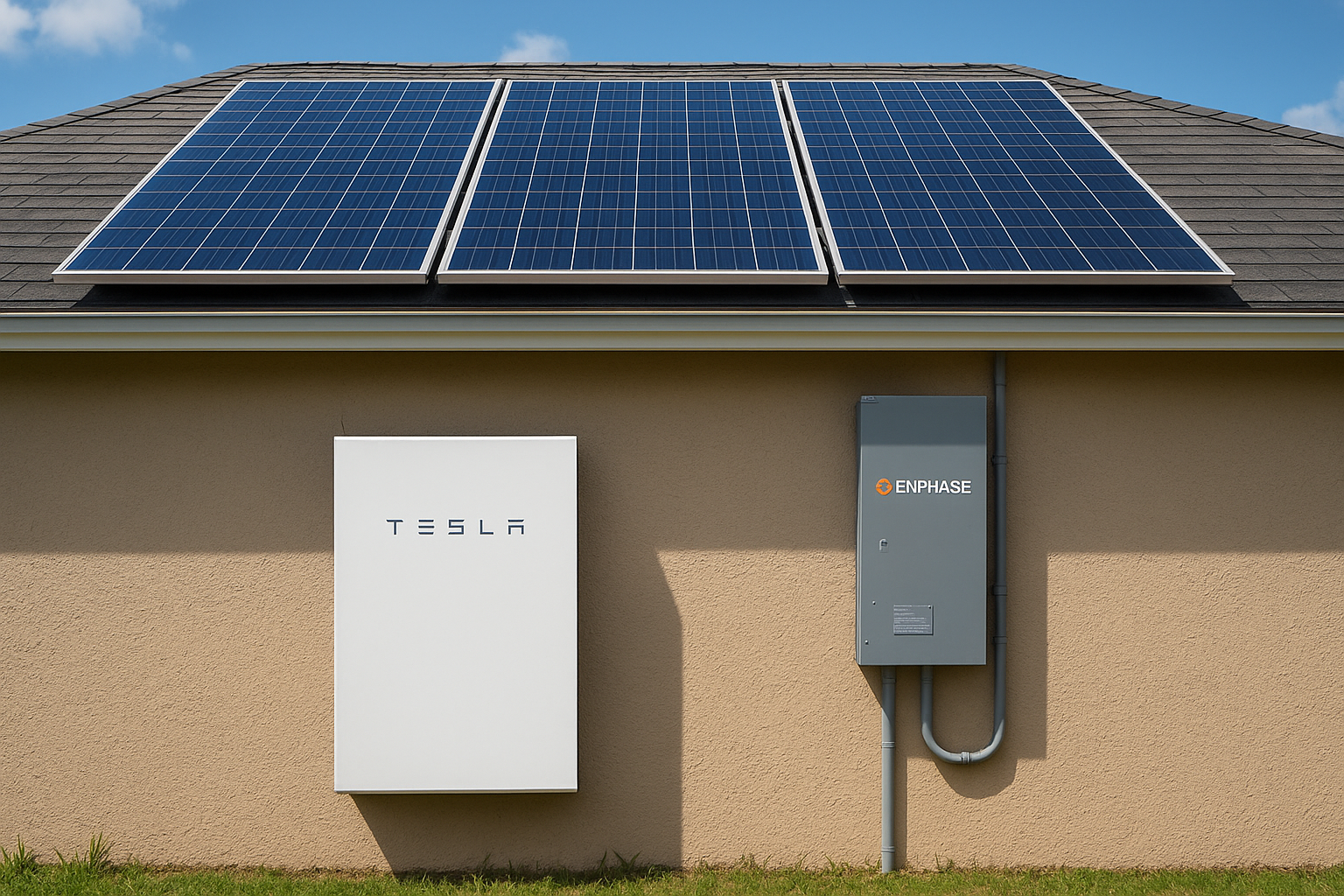
Advance Solar & Spa offers fully custom off-grid and hybrid solar systems rather than pre-packaged kits. You can get photovoltaic panels, battery storage using Tesla Energy or Enphase technology, inverters, charge controllers, and EV charging stations, all specified to match your actual energy load.
How the buying and install process works
You start with a consultation from a certified solar consultant who reviews your energy usage and site conditions. Engineers then design your system, handle permitting, and an in-house crew of over 50 staff installs everything. No subcontractors are involved at any stage.
Having one company handle design, permitting, and installation eliminates the coordination failures that cause most off-grid system problems.
What you get in a complete off-grid system
A complete build includes matched panels, battery bank, inverter, and charge controller, all sized to work together. Advance Solar integrates Tesla Powerwall or Enphase storage, so you get reliable backup capacity for outages or fully independent operation.
Best fit use cases and who should buy here
This option suits Florida homeowners and business owners who want a permanent, code-compliant off-grid or hybrid system. It’s especially strong for anyone who needs resilience through hurricane season or wants full energy independence from the grid.
Typical pricing ranges and key cost drivers
System size, battery capacity, and roof complexity are the main cost variables. Most residential systems fall between $15,000 and $40,000 or more, depending on energy demand and the storage configuration you choose.
Support, warranties, and service expectations
Advance Solar & Spa provides ongoing maintenance, repairs, and parts support through the same in-house team that installed your system. You also receive manufacturer warranties on all major components, backed by direct access to certified technicians.
2. GoGreenSolar
GoGreenSolar is a California-based online retailer that lets you buy off grid solar system kits with a focus on DIY-friendly configurations. They carry both pre-built bundles and individual components for customers who want to customize their setup.
What you can buy from GoGreenSolar
Their catalog covers complete off-grid kits sized for small cabins up to larger homes, plus individual panels, inverters, charge controllers, and batteries available separately if you prefer to build your own configuration.
How the buying process works
You browse and order online, with phone and email pre-sales support available to help you choose the right kit. Most orders ship directly to your address within a few business days.
This model works well if you already know your energy load and are prepared to handle installation on your own.
What you get in a complete off-grid kit
Kits bundle panels, a charge controller, an inverter, and a battery bank together. Component brands vary by tier, so review the spec sheet carefully before ordering.
Best fit use cases and who should buy here
GoGreenSolar works best for experienced DIYers tackling cabins, RVs, or small off-grid builds who are comfortable managing self-installation and local permitting.
Typical pricing ranges and key cost drivers
Entry-level kits start near $500, while larger setups run $5,000 to $15,000 depending on panel wattage and battery storage capacity.
Support, warranties, and service expectations
GoGreenSolar offers post-purchase technical support by phone and email. Components carry standard manufacturer warranties, though on-site installation service is not part of their offering.
3. SunGoldPower
SunGoldPower is a direct-to-consumer brand focused on budget-friendly off-grid kits built around their own inverter and charge controller hardware. Their catalog targets buyers who want a complete starting point without paying premium prices for a licensed installation.
What you can buy from SunGoldPower
SunGoldPower sells all-in-one off-grid solar kits that pair their proprietary inverter-chargers with panels and batteries. You can also purchase individual components like MPPT charge controllers and pure sine wave inverters separately if you prefer to build your own bundle.
How the buying process works
You order directly through their website or Amazon storefront, with kits shipping from US warehouses. Email-based customer service is available for pre-purchase questions before you buy off grid solar system components.
Check whether the kit includes a true sine wave inverter before ordering, since modified sine wave models can damage sensitive electronics.
What you get in a complete off-grid kit
Kits include panels, an inverter-charger, and a charge controller. Battery type varies by bundle, so confirm whether lithium or AGM storage is included before placing your order.
Best fit use cases and who should buy here
SunGoldPower suits small off-grid setups like sheds, cabins, or basic backup power applications where you want a low-cost entry point and plan to self-install.
Typical pricing ranges and key cost drivers
Starter kits begin around $300 to $600, with mid-range bundles reaching up to $3,000. Panel wattage and inverter capacity are the main factors that push costs higher.
Support, warranties, and service expectations
SunGoldPower covers their components with limited manufacturer warranties handled through online support channels. There is no on-site installation service available through them directly.
4. The Solar Store
The Solar Store is a US-based online retailer focused on solar components and complete kits for off-grid applications. Their catalog covers a broad range of system sizes, making them a practical stop when you want to buy off grid solar system hardware from a dedicated solar-only shop.
What you can buy from The Solar Store
They stock complete off-grid kits alongside individual components such as panels, inverters, charge controllers, and lithium or AGM batteries from multiple brands.
How the buying process works
You order online, with phone and email pre-sales support available to help match the right kit size to your energy load before checkout.
What you get in a complete off-grid kit
Kits include panels, a charge controller, an inverter, and a battery bank, with specs varying by tier.
Review each kit’s component brand list carefully since quality can differ significantly between budget and premium bundles.
Best fit use cases and who should buy here
The Solar Store works well for DIY buyers and small contractors handling cabins, remote builds, or backup power projects.
Typical pricing ranges and key cost drivers
Kits range from roughly $800 to $10,000, with panel wattage and battery capacity as the main cost drivers.
Support, warranties, and service expectations
They offer ongoing phone and email support after purchase, with standard manufacturer warranties covering all major components.
5. EcoFlow
EcoFlow is a hardware brand focused on portable power stations and expandable solar generator systems, offering off-grid capable setups built for buyers who need mobility and fast deployment over permanent installation.
What you can buy from EcoFlow
EcoFlow sells portable power stations, foldable solar panels, and complete solar generator bundles through their own website and major retailers like Amazon. Their flagship Delta and Delta Pro lines are the most capable options for off-grid power needs.
How the buying process works
You order directly online or through Amazon, with fast domestic shipping and pre-sales support available by phone and chat to help you size your setup correctly.
What you get in an off-grid capable setup
Bundles pair a portable power station with compatible solar panels, creating a self-contained unit that requires no wiring or installation. Capacity scales based on the model you choose.
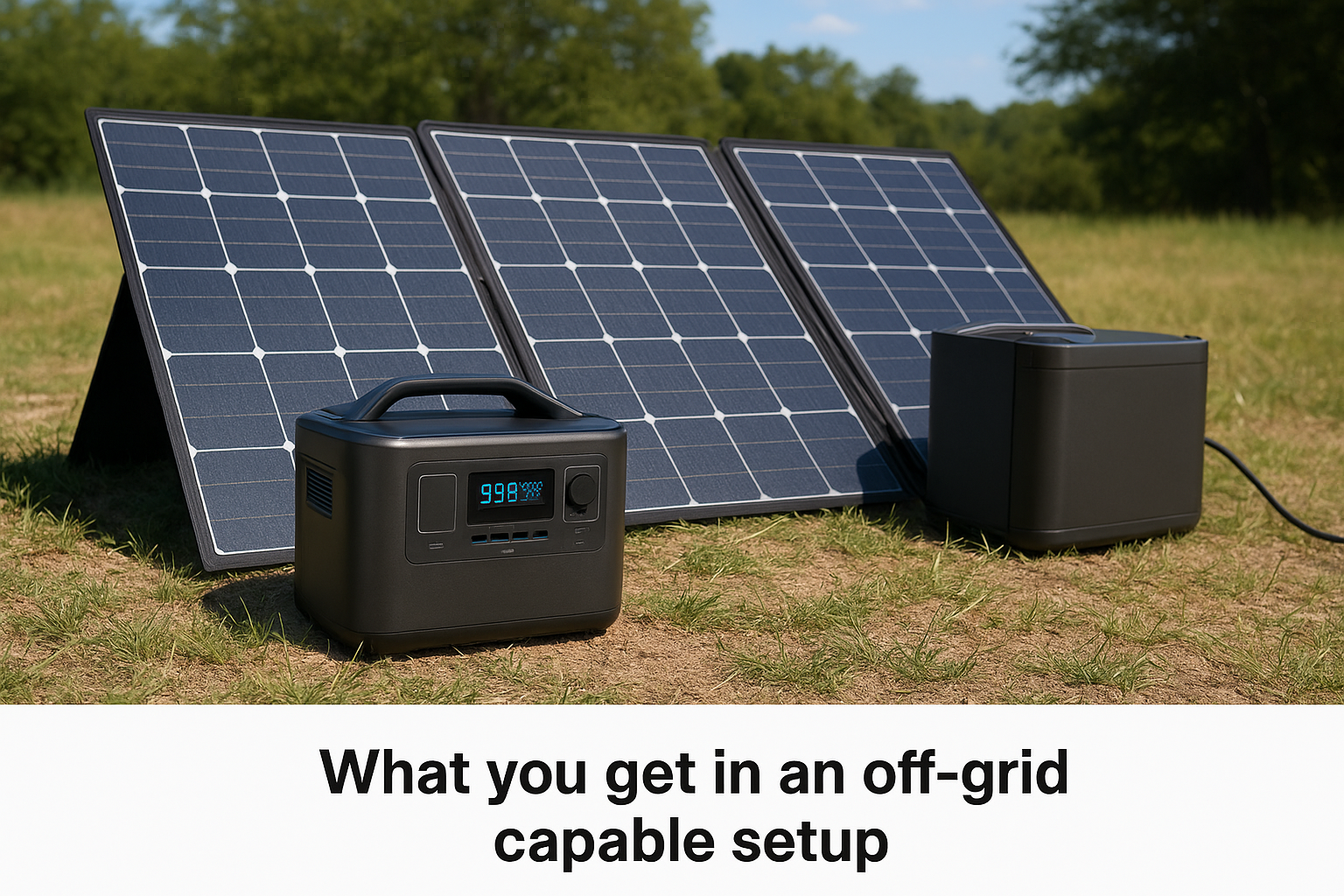
EcoFlow setups deploy quickly, but their storage capacity is limited compared to a fixed battery bank designed for whole-home off-grid use.
Best fit use cases and who should buy here
EcoFlow works best for van lifers, campers, and short-term off-grid users who want to buy off grid solar system power in a format they can move and reposition easily.
Typical pricing ranges and key cost drivers
Entry bundles start around $500, while high-capacity setups like the Delta Pro reach $3,000 to $5,000 depending on panel wattage and battery expansion.
Support, warranties, and service expectations
EcoFlow backs most products with a 24-month warranty and provides online and phone support handled directly through the brand.
Next Steps
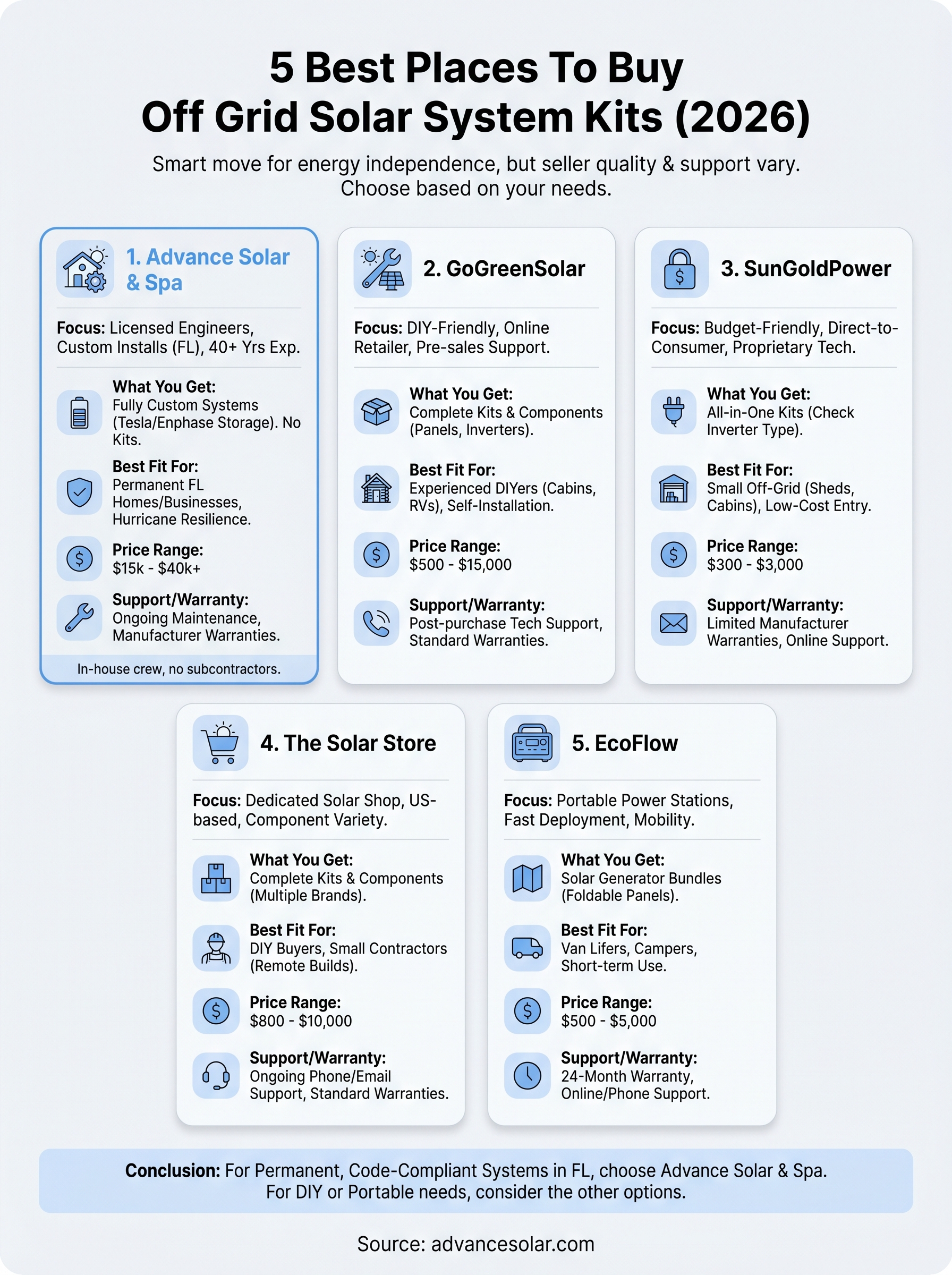
Every seller on this list serves a different type of buyer. If you want to buy off grid solar system hardware quickly for a cabin or portable setup, GoGreenSolar, SunGoldPower, The Solar Store, or EcoFlow can ship components to your door. Those options work well for DIY projects with limited power demands and no need for professional permitting.
But if you own a home or business in Florida and want a permanent, code-compliant system that runs reliably through hurricane season, a kit-in-a-box is not the right starting point. You need a system designed around your actual energy load, installed by licensed professionals who stand behind their work.
Advance Solar & Spa has handled over 50,000 installations since 1983 using in-house engineers, licensed electricians, and certified solar consultants. If you’re ready to move forward with a custom off-grid or hybrid system, schedule a free consultation with our team and get a design built specifically for your property.