License Numbers : CVC056664 • CAC1817663 • CPC1458514 • EC13009791

Solar Panel Cleaning Cost: Prices, Factors, And DIY vs Pro

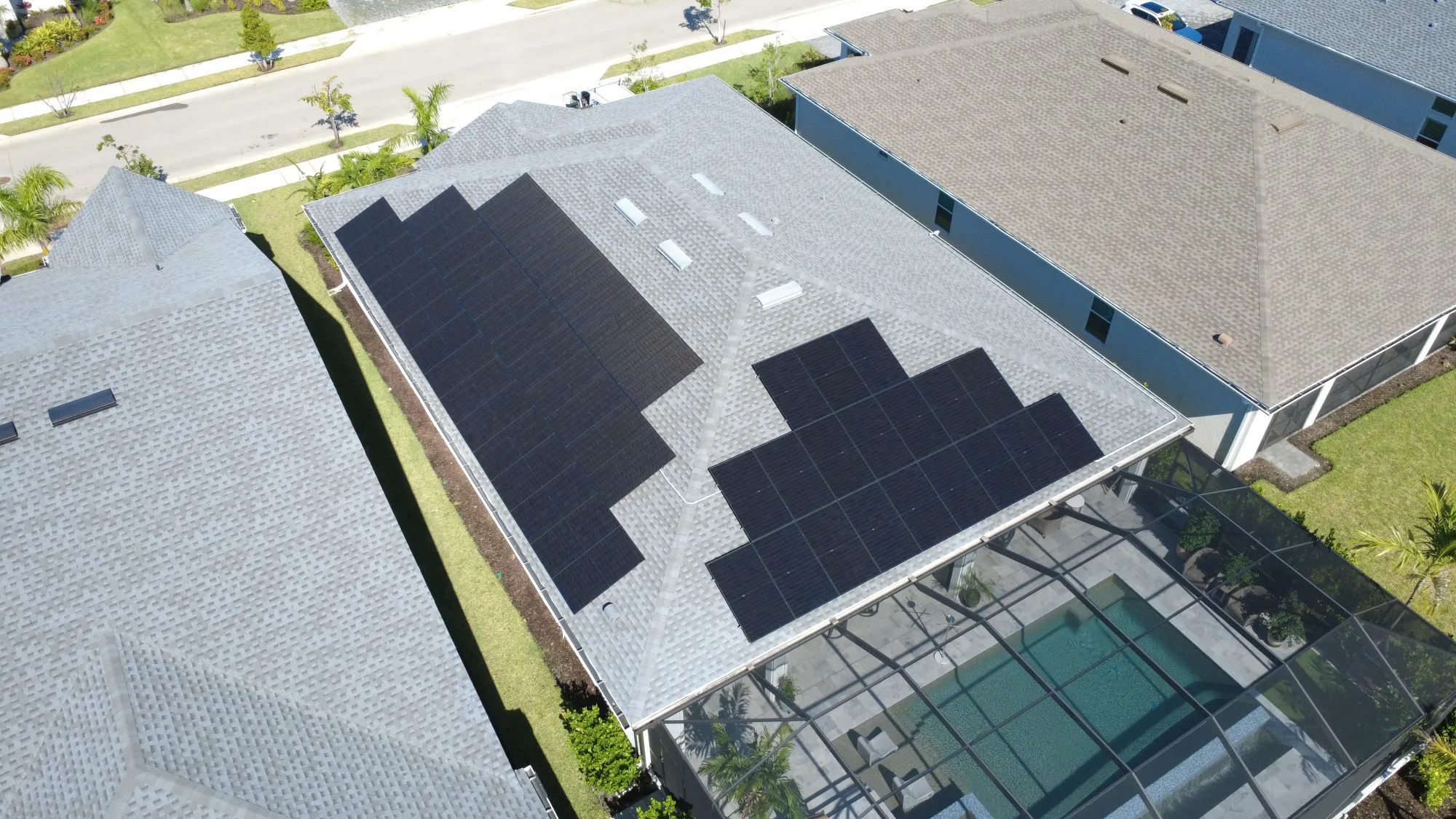
Dirty solar panels don’t just look neglected, they lose efficiency. Dust, pollen, bird droppings, and the grime that builds up across Florida’s humid climate can cut energy production by 5% to 25%, depending on how long you let it go. That lost output hits your electricity bill every month. Understanding solar panel cleaning cost before you schedule a service (or grab a hose yourself) helps you make a smart financial decision rather than an impulsive one.

At Advance Solar & Spa, we’ve installed and maintained over 50,000 solar systems across Florida since 1983. Our service team sees firsthand what neglected panels look like, and what clean ones produce. That experience gives us a practical perspective on when professional cleaning is worth the money and when a DIY approach makes more sense.

This article breaks down current pricing for professional solar panel cleaning, the specific factors that raise or lower your quote, and an honest comparison of DIY versus hiring a pro. By the end, you’ll know exactly what to budget and which route fits your situation.

Why solar panel cleaning affects your ROI

Solar panels are a long-term investment, and their return depends on how much electricity they actually generate. When dirt, pollen, and bird droppings accumulate on your panels, they block sunlight from reaching the photovoltaic cells. Less sunlight means less electricity, and less electricity means a lower return on the money you spent on your system. Cleaning is not optional maintenance; it is part of protecting the financial case you made when you went solar.

Why solar panel cleaning affects your ROI

How soiling cuts into your energy output

Research from the National Renewable Energy Laboratory shows that soiling losses can reduce energy output by anywhere from 1.5% to over 25%, depending on your location, local air quality, and how long panels go without cleaning. In Florida, pollen season, afternoon rain that leaves mineral deposits, and proximity to coastal salt air create conditions where buildup happens faster than in drier climates. Your system may look fine from the ground, but output data from your inverter often tells a different story.

A 10% production loss on a 10 kW system generating around 14,000 kWh per year means roughly 1,400 kWh of electricity you’re paying your utility for instead of generating yourself.

The link between cleaning and your payback period

Every kilowatt-hour your dirty panels fail to produce pushes your system payback period further out. If you financed your solar installation, that inefficiency costs you real money each month. When you factor in the solar panel cleaning cost against the value of recovered electricity, professional cleaning typically pays for itself within a single billing cycle of restored output.

Your monitoring app or inverter dashboard makes this easy to track. Comparing your current output against the projected output from your installation documentation shows you exactly how much efficiency you’ve lost and how much a cleaning could recover.

Average solar panel cleaning costs in 2026

Professional solar panel cleaning cost typically ranges from $150 to $450 for a standard residential system in 2026. Most companies price the job using one of two methods: a flat rate per visit or a per-panel rate that usually falls between $10 and $20 per panel.

Residential pricing breakdown

For a typical Florida home, your total quote depends directly on system size and panel count. Here is what most homeowners pay based on system size:

System Size Approximate Panel Count Estimated Cost
4-6 kW 10-15 panels $100-$200
6-10 kW 15-25 panels $200-$350
10+ kW 25+ panels $350-$450+

Commercial system pricing

Commercial solar arrays involve far more panels and more complex roof access, which shifts the pricing structure entirely. Commercial cleaning quotes typically start around $500 and can run into several thousand dollars depending on system size and roof configuration.

Signing an annual service contract that covers two or three cleanings per year often reduces your per-visit cost by 15% to 20% compared to booking individual visits.

If you own a business property with a large rooftop installation, getting at least three quotes from licensed solar service providers before committing to any maintenance agreement gives you a clear picture of what competitive pricing looks like in your area.

What drives the price up or down

Several variables push your solar panel cleaning cost above or below the averages listed in the previous section. Knowing these factors helps you understand why two neighbors with similar-sized systems might receive very different quotes.

Roof complexity and access

Your roof pitch and height are two of the biggest cost drivers. A single-story home with a low-slope roof is straightforward to work on. A two-story home with a steep pitch requires more safety equipment, longer setup time, and sometimes a two-person crew. All of that adds labor cost to your bill.

Difficult roof access can add $50 to $150 to a standard cleaning quote, even if your panel count is modest.

Technicians also factor in roof material. Tile roofs common in Florida require careful movement to avoid cracking, which slows the job down and affects pricing.

Panel condition and soiling level

A routine cleaning on lightly soiled panels takes less time and fewer materials than a deep clean on panels caked with bird droppings or heavy mineral deposits from hard water. If your system hasn’t been cleaned in over a year, expect a higher first-visit cost. Panels that are severely stained may also need specialized cleaning solutions, which some companies charge separately for.

DIY vs professional solar panel cleaning

Choosing between cleaning your panels yourself and hiring a pro comes down to safety, equipment, and how much your time is worth. Both options can get the job done, but they carry different risks and costs that are worth understanding before you decide.

DIY vs professional solar panel cleaning

What DIY cleaning actually costs

The upfront cost of DIY cleaning is lower than hiring a service, but you still need the right equipment. A telescoping soft-bristle brush, a hose-end water filter to prevent mineral deposits, and a non-abrasive soap solution will run you $50 to $150 in total. That investment pays off quickly if you clean consistently every few months.

The biggest hidden cost in DIY cleaning is not equipment; it is the risk of voiding your panel warranty if you use abrasive tools or high-pressure water.

When to hire a professional

Professional cleaning makes more sense when your panels are on a steep or high roof where ladder work creates a fall risk. Licensed technicians carry insurance, bring commercial-grade deionized water systems, and know which cleaning methods protect your specific panel manufacturer’s warranty. For many Florida homeowners, the solar panel cleaning cost of one professional visit per year, combined with light DIY rinses in between, gives you the best balance of safety and savings.

How often to clean panels in Florida

Florida’s climate is not kind to solar panels. High humidity, heavy pollen seasons, and coastal salt air create buildup faster than most other states, which means the national recommendation of one or two cleanings per year often falls short for Florida homeowners. Your location within the state also matters. Systems near the coast accumulate salt residue and sand that inland systems do not deal with.

Florida-specific factors that set the schedule

Spring pollen in Florida coats panels heavily between February and April, and summer afternoon storms leave behind mineral deposits and organic debris that dry onto the glass surface. Bird activity near wetlands or tree-heavy neighborhoods adds another layer of buildup that compounds over time. Monitoring your inverter output data month over month is the most reliable way to see when cleaning becomes necessary, rather than guessing based on a calendar.

If your system’s output drops more than 10% below its projected baseline, that is your signal to schedule a cleaning before losses compound further.

A practical cleaning schedule for most Florida homeowners

For most Florida systems, three cleanings per year hits the right balance between protecting output and managing your solar panel cleaning cost responsibly. A good rhythm is once in early spring after peak pollen, once in late summer after storm season peaks, and once in the fall before winter.

solar panel cleaning cost infographic

Next steps

You now have a complete picture of what solar panel cleaning cost looks like in 2026, what drives that number up or down, and how to decide between DIY and professional service. The core takeaway is simple: cleaning is not an optional expense, it is part of getting the full return on your solar investment. Neglecting it costs you more in lost output than a professional cleaning ever would.

Start by pulling your inverter’s output data and comparing it against your system’s projected production. If you see a gap of 10% or more, schedule a cleaning before losses compound further. If you are in Florida and have not cleaned your panels in the last six months, you are likely already losing money each month on your utility bill.

For homeowners across Florida looking for professional maintenance from a team with over 40 years of experience, contact Advance Solar & Spa to get a service quote today.