Solar System Design Services: What’s Included for Permits
-
Share
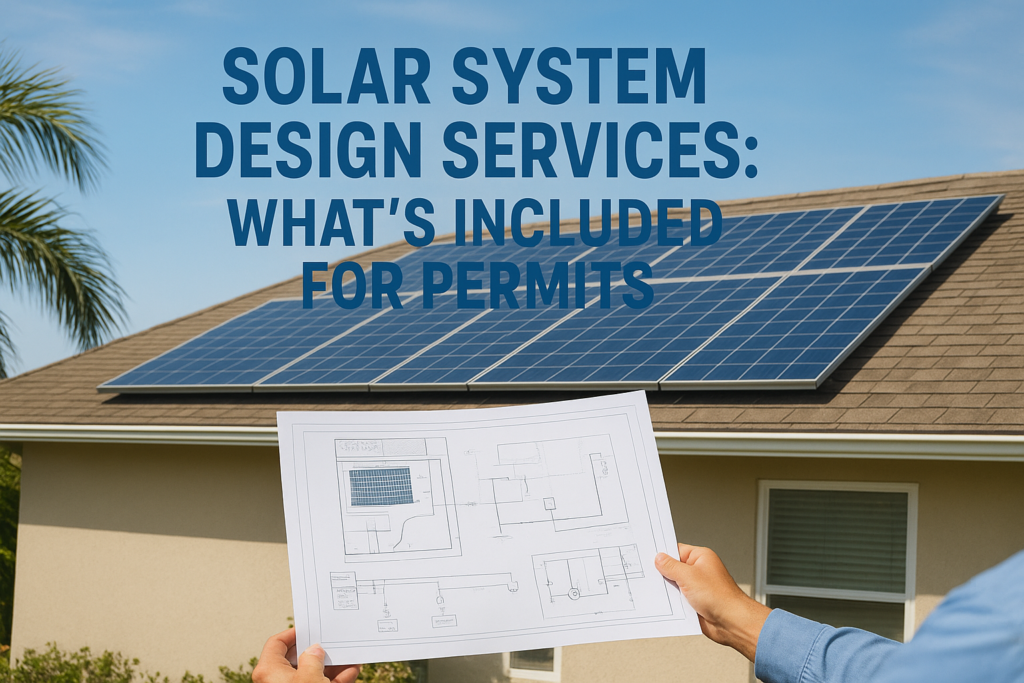
You’ve decided to go solar, but before a single panel touches your roof, your project needs to pass through your local building department. That’s where solar system design services come in. These services produce the engineering documents, electrical schematics, and site-specific layouts that your permit office requires before approving installation. Without them, your project doesn’t move forward.
The problem is that most homeowners don’t know what a permit-ready design package actually includes, or what separates a thorough one from a sloppy one that gets kicked back. A rejected plan set means delays, extra fees, and frustration that could have been avoided with the right team handling the design from the start. Understanding what goes into these documents gives you a real advantage when evaluating solar providers and keeps your project on schedule and on budget.
At Advance Solar & Spa, we’ve handled the design and permitting process for over 50,000 installations across Florida since 1983. Our in-house engineers and certified solar consultants produce every plan set internally, no outsourced drafting, no generic templates. We hold Solar, Electrical, Pool, and HVAC state licenses, which means our designs account for Florida-specific building codes and wind load requirements from day one.
This article breaks down exactly what’s included in a professional solar design package, why each component matters for permit approval, and how to tell whether your provider is cutting corners.
What solar system design services include
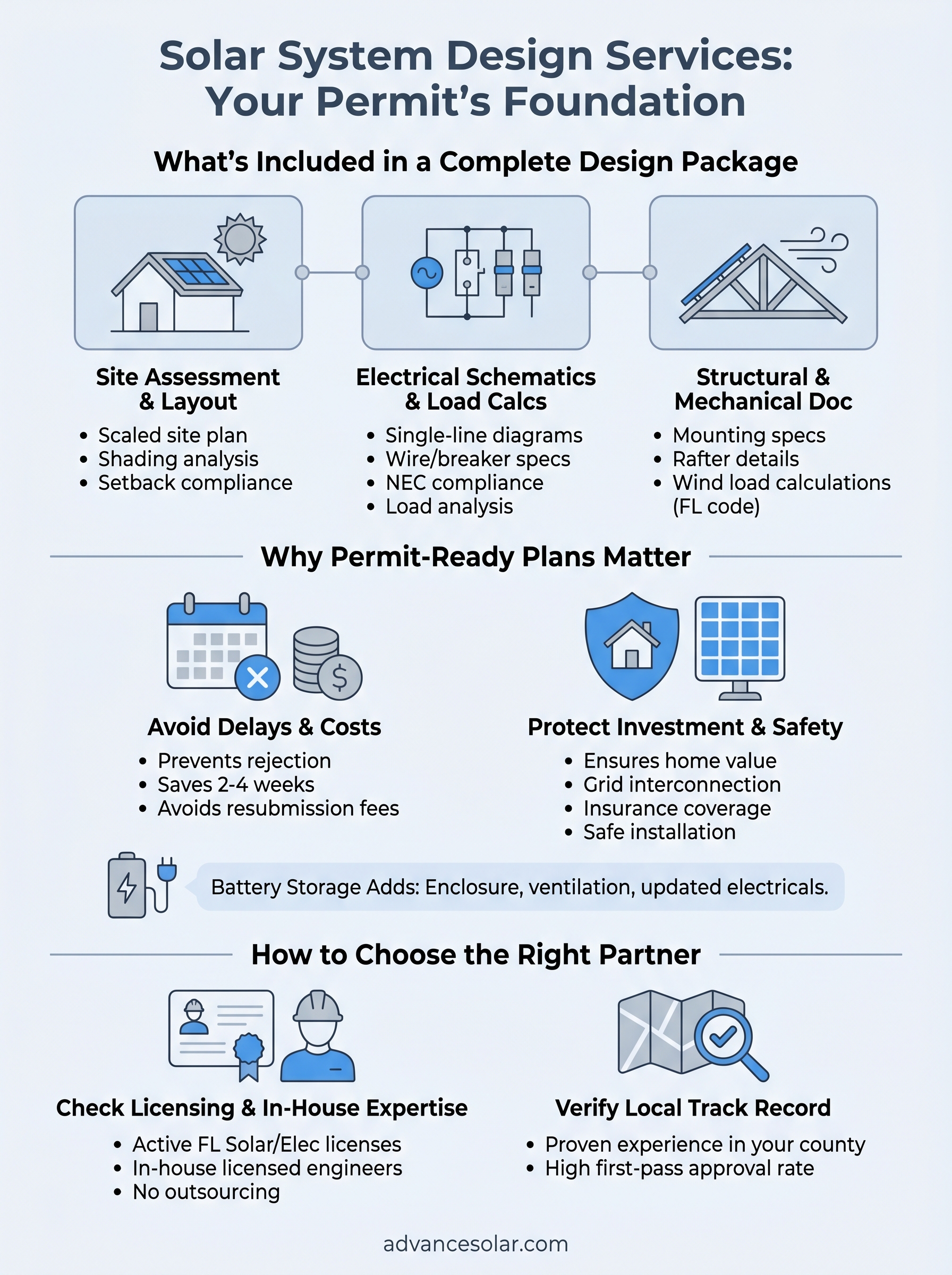
Solar system design services cover far more than a simple sketch of panels on a roof. A complete design package is an engineering deliverable that gives your permit office, utility company, and installation crew everything they need to approve and build your system correctly. The documents must be site-specific, code-compliant, and stamped by a licensed engineer in most Florida jurisdictions, and cutting corners on any component routinely triggers rejections.
Site assessment and system layout
The design process starts with a detailed look at your property. Your designer pulls roof measurements, shading analysis, and structural data to determine where panels can physically go and how many you need to meet your energy goals. This work produces a scaled site plan showing panel placement, string configurations, and setback distances from roof edges and ridges, all of which most building departments require as part of the permit submittal package.

A shading analysis alone can shift your system’s annual output estimate by 15% or more, which directly affects the size and final cost of your design.
Electrical schematics and load calculations
Once the physical layout is confirmed, your designer produces a single-line electrical diagram that maps how every component connects, from the panels to the inverter to your main service panel or battery storage system. This schematic documents wire sizes, conduit runs, breaker ratings, and disconnect locations. Your local electrical inspector uses this drawing to verify that the installation meets National Electrical Code (NEC) requirements before approving the project.
Load calculations are part of this same phase. Your designer reviews your utility bills and existing panel capacity to confirm the system is properly sized and that your service panel can handle the new circuits without an upgrade, unless the review genuinely reveals one is needed.
Structural and mechanical documentation
Florida building codes require proof that your roof can carry the added weight and wind uplift forces from a solar array. Your design package must include mounting specifications, rafter or truss attachment details, and wind load calculations matched to your exact location and roof construction type. In high-wind zones like Southwest and South Florida, inspectors review this documentation carefully, and incomplete structural drawings are one of the most common reasons permit applications get rejected on the first submission.
Why permit-ready plans matter
A permit-ready plan set is not just paperwork. It’s the legal and technical foundation that allows your installation to move forward, get inspected, and ultimately connect to the grid. Without approved plans, your installer cannot legally pull a permit, and without a permit, your utility company will not authorize grid interconnection, which is the step that turns your solar array into a system that actually offsets your electricity bill.
What happens when plans get rejected
When a building department reviews your permit application and finds missing or incorrect documentation, they issue a correction notice and send the package back. That delay typically adds two to four weeks to your project timeline, and some jurisdictions charge a resubmission fee on top of the original permit cost. If your installer submitted generic or incomplete solar system design services documentation, those corrections fall back on you as the property owner.
A single missing wind load calculation or an unsigned engineer’s stamp can stall a Florida permit for weeks during peak construction season.
Permit approval protects your investment
Permitted and inspected systems protect your home’s value in two direct ways. When you sell your property, a buyer’s lender will often require proof that all improvements were properly permitted. An unpermitted solar installation can complicate or derail a sale entirely, or force you to retroactively permit the system at your own expense.
Your homeowner’s insurance policy is the second concern. Many carriers will not cover damage related to unpermitted electrical work, which puts your entire home at financial risk. Getting the design package right the first time is the most cost-effective protection for your solar investment.
How the solar design process works
Most homeowners assume solar system design services begin with someone climbing on the roof. The actual process starts earlier, with data collection and energy analysis that happen before anyone visits your property. Understanding the sequence helps you set realistic expectations for your timeline and know exactly what your provider should be delivering at each stage.
Site survey and data collection
Your designer begins by gathering satellite imagery, roof measurements, and your utility usage history to build an accurate picture of your energy needs and roof conditions. Some providers use aerial measurement tools to pull precise dimensions remotely, while others send a technician to confirm structural details in person. Either way, this phase ends with a complete property profile that drives every decision in the engineering phase.
Skipping or rushing the site survey phase is the single most common reason a plan set fails its first permit review.
Engineering and plan set production
Once your designer has accurate site data, the engineering work begins. Your licensed engineer or certified designer converts the field data into the electrical schematics, structural drawings, and system layout documents that form your permit package. This phase typically takes five to ten business days for a residential system, depending on your jurisdiction’s complexity and whether battery storage is included.
Your provider should send you a draft for review before submitting to the building department. This gives you a chance to confirm that the system size and equipment selections match what you discussed during the sales process.
Permit plan set checklist for PV and storage
Knowing what your permit office expects before your provider submits anything saves time and prevents surprises. A complete set of solar system design services documents for a residential PV or PV-plus-storage project in Florida should include every item below. If your provider cannot confirm these elements are in your package, ask directly before they submit.
Documents required for PV-only systems
Your PV permit package must cover the full scope of the installation from the structural layer up to the utility interconnection point. Review this checklist with your designer before submission.
- Scaled site plan showing panel layout, setbacks, and roof orientation
- Single-line electrical diagram with wire gauges, conduit types, and breaker ratings
- Structural attachment details including rafter spacing and mounting hardware specs
- Wind load calculations stamped by a licensed Florida engineer
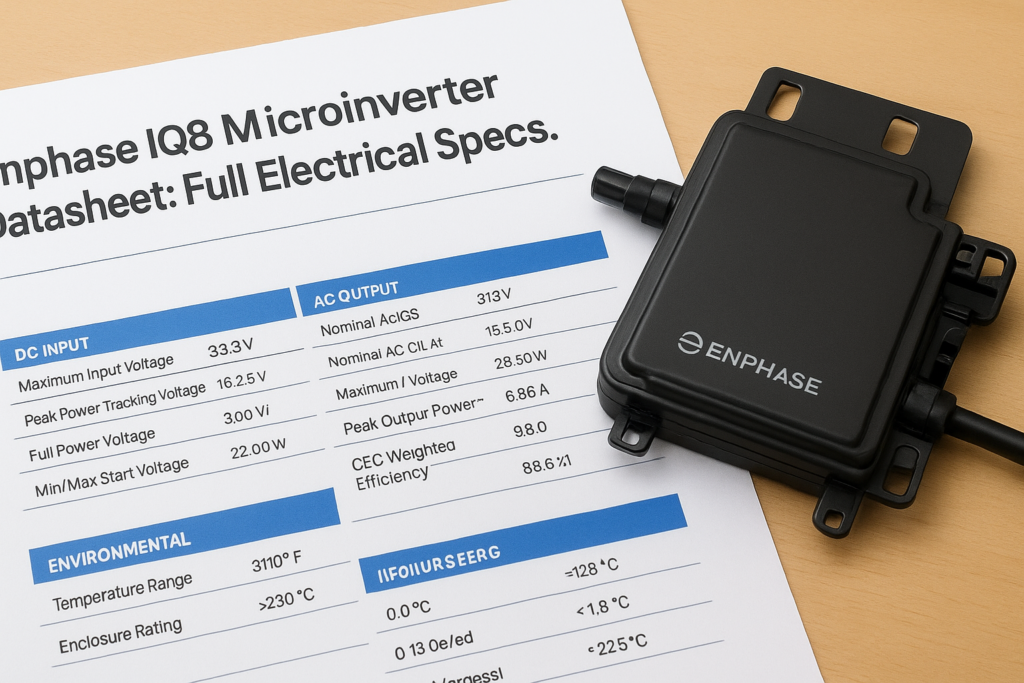
- Equipment spec sheets for panels and inverters approved by your utility
- Utility interconnection application filed with your electric provider
Missing even one stamped document from this list is enough for a Florida building department to reject your entire submission.
Additional documents for battery storage
Adding a battery system to your design increases the documentation requirements. Your permit package needs to account for the battery enclosure location, ventilation requirements, and how the storage system integrates with your main panel and any automatic transfer switch or critical load panel.
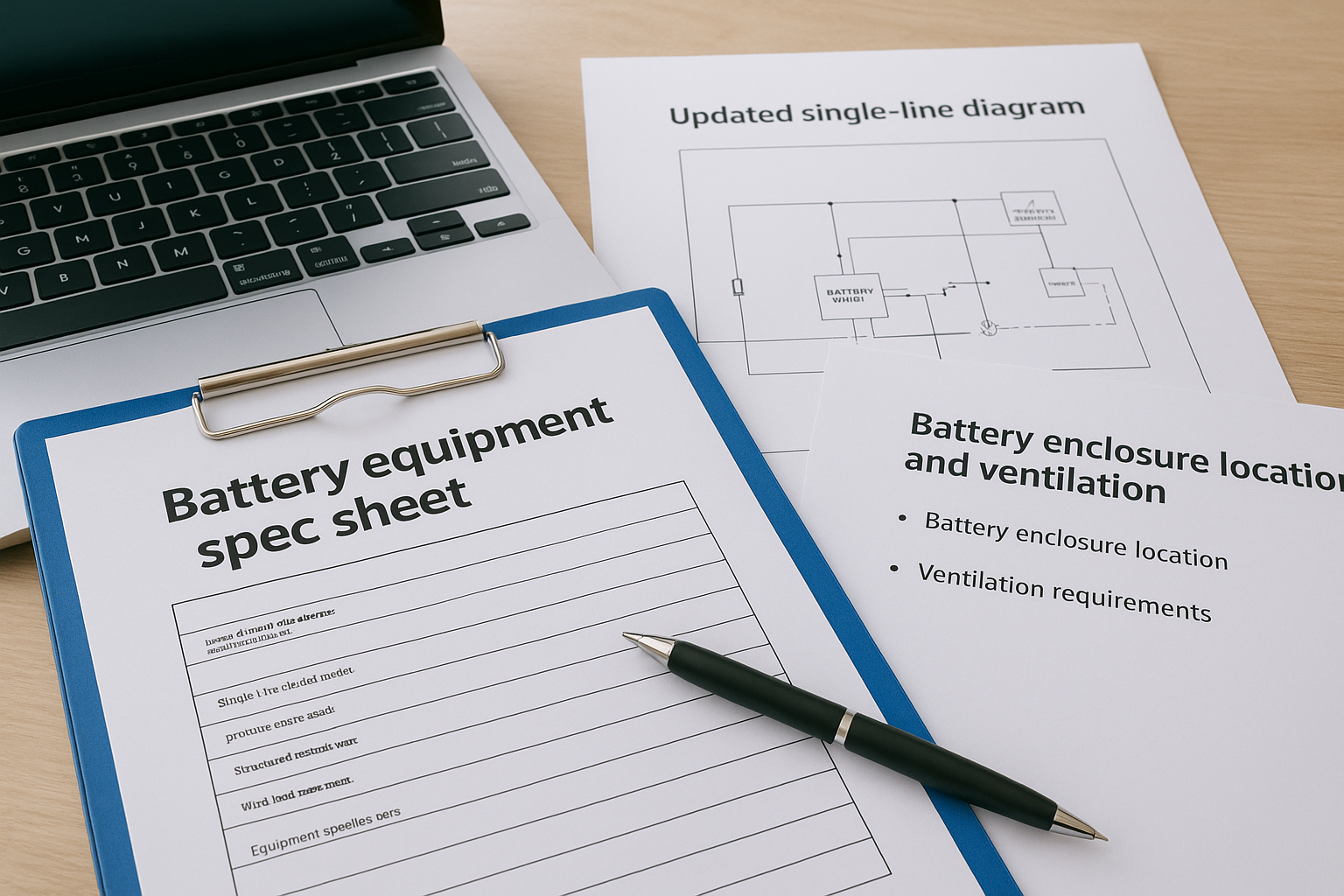
- Battery equipment spec sheet and UL listing documentation
- Updated single-line diagram reflecting storage integration and load distribution
- Dedicated breaker and disconnect labeling per NEC Article 706
How to choose the right solar design partner
Choosing the wrong design partner costs you time and money. The provider handling your solar system design services needs to demonstrate clear credentials, in-house engineering capability, and direct experience with Florida’s permitting process before you sign anything.
Check licensing and in-house expertise
Your designer should hold the licenses that match the full scope of your project. For a solar-plus-battery system in Florida, that means Solar, Electrical, and potentially HVAC or Pool licenses depending on what your project includes. Ask directly whether your permit package will be produced by in-house engineers or outsourced to a third-party drafting service. In-house teams catch code conflicts earlier and respond faster when a building department requests corrections.
Use this short checklist when vetting any provider:
- Active Florida Solar and Electrical contractor licenses
- A named, licensed engineer who stamps drawings
- In-house drafting staff, not outsourced
- Experience submitting permits in your specific county
Verify track record with local jurisdictions
Florida’s permitting requirements vary by county, and a designer who regularly submits in your area knows exactly what each local building department expects. Ask your provider how many permit-ready packages they have submitted in your specific county and what their first-pass approval rate looks like.
Ask for references from past customers in your county, not just general testimonials from across the state.
Avoid any provider who cannot show you a sample permit package on request or who cannot name the licensed engineer who will stamp your drawings. Vague answers on those two points signal that your project will hit avoidable delays.
Next steps if you need a permit-ready design
If your project is moving toward permit submission, start by gathering your last 12 months of utility bills and any existing roof documentation you have. These two items give your designer the energy data and structural baseline they need to begin your solar system design services package without delays. The sooner you hand off accurate information, the faster your engineer can produce a plan set your building department will approve on the first submission.
From there, your priority is choosing a provider with in-house engineers, active Florida licenses, and direct permitting experience in your county. Avoid providers who cannot name the licensed engineer stamping your drawings or who outsource their drafting. Advance Solar & Spa has completed over 50,000 installations across Florida with a full in-house team handling every step from site survey through permit approval. Contact our solar team to schedule your consultation and get your permit-ready design started.