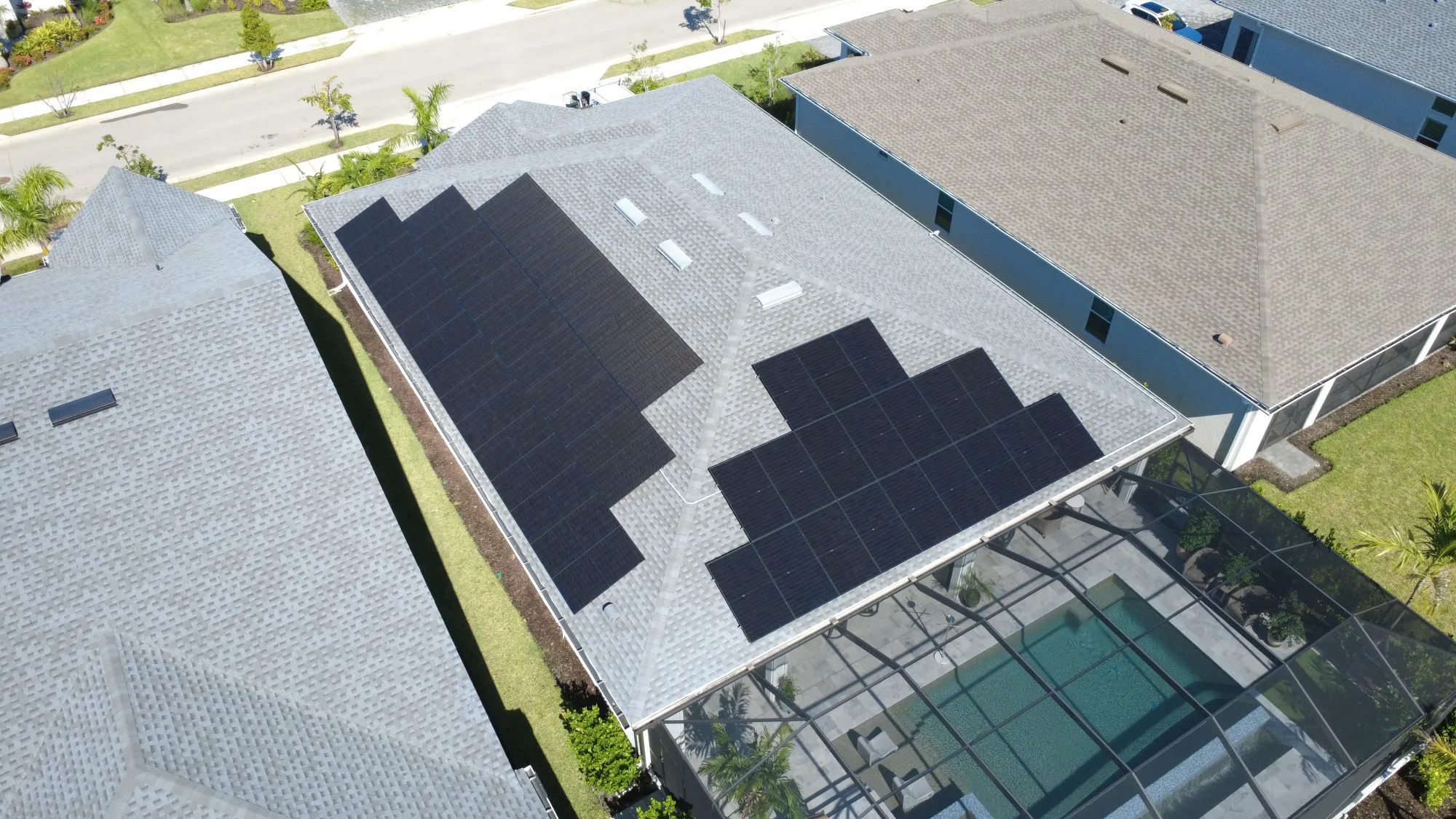
Dust, pollen, bird droppings, and Florida’s frequent rain showers leave a film on your panels that quietly chips away at energy production. A professional solar panel cleaning service removes that buildup so your system generates the power it was designed to produce. Even a thin layer of grime can reduce output by 15–25%, which means higher electric bills and a longer payback period on your investment.
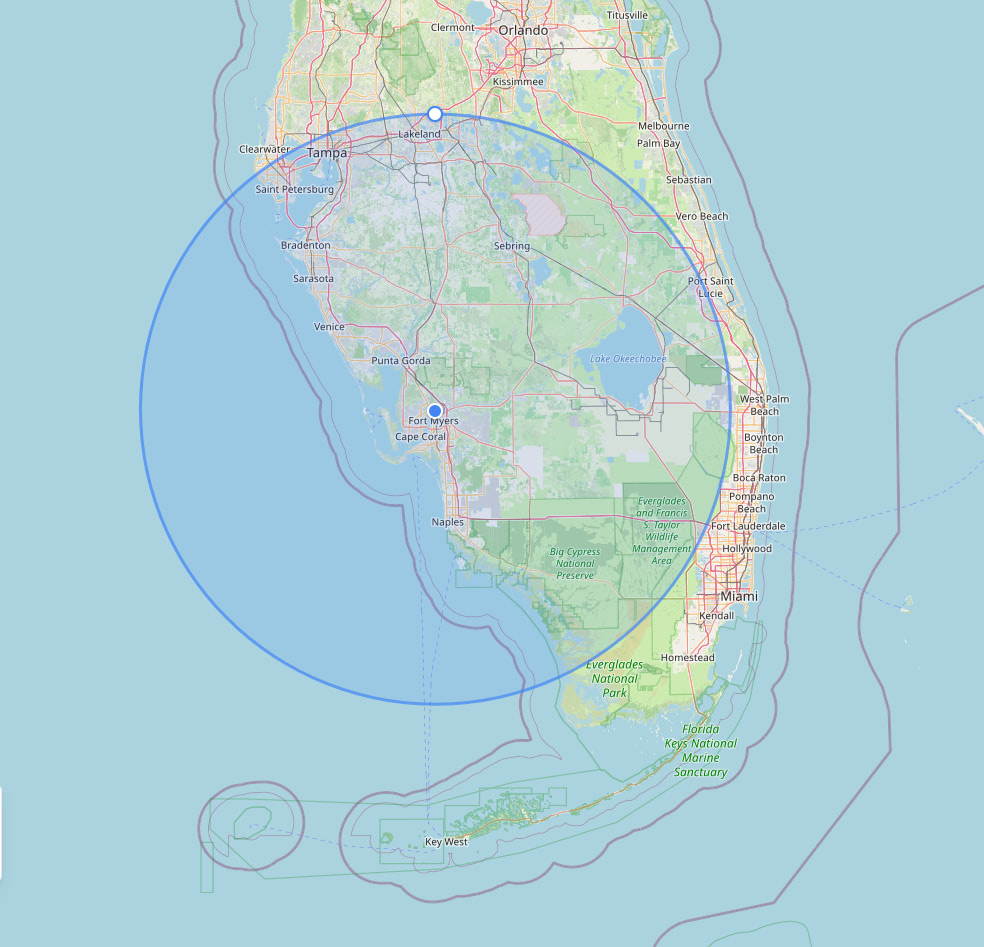
At Advance Solar & Spa, we’ve installed and maintained over 50,000 solar energy systems across Florida since 1983. That hands-on experience gives us a clear picture of how environmental conditions on the Gulf and Atlantic coasts affect panel performance, and why routine cleaning matters more here than in drier climates.
This article breaks down what a solar panel cleaning service actually involves, how much it costs, when you need one, and how to tell if your panels are underperforming due to dirt. Whether you’re a homeowner in Fort Myers or running a commercial property in Fort Lauderdale, you’ll walk away with the practical details you need to protect your system’s output and keep your energy savings on track.
What a solar panel cleaning service includes
A professional solar panel cleaning service is more than hosing off your roof. Technicians follow a structured process that covers physical cleaning and a basic system assessment to confirm your panels are producing at full capacity when the job is done. Skipping steps in that process can leave you with visually clean panels that are still underperforming.
Pre-cleaning inspection
Before any equipment touches your panels, a technician visually checks each panel for damage, loose mounting hardware, or shading obstructions that weren’t there before. This step catches problems that cleaning alone won’t solve, like a cracked cell, a corroded junction box, or wiring that has weathered badly. You want those issues documented before the crew starts so nothing gets missed or attributed to the cleaning process itself.
A thorough inspection typically covers:
- Panel surface condition: cracks, delamination, discoloration, or hot spots
- Mounting hardware: loose brackets or corroded fasteners
- Inverter status: baseline production reading before cleaning begins
- Wiring and conduit: visible weathering or physical damage around connections
Cleaning methods and equipment
Technicians use deionized or purified water paired with soft-bristle brushes or low-pressure tools to remove dirt, pollen, bird droppings, and biological buildup without scratching the glass surface. Standard tap water leaves behind mineral deposits once it dries, which compounds the problem rather than solving it, and is why purified water is the industry standard for this work.

Harsh chemicals and high-pressure washers can void your panel manufacturer’s warranty, so any reputable provider sticks to soft tools and purified water only.
After the cleaning, you should receive a written condition report covering anything flagged during the inspection and, ideally, before-and-after output data pulled from your monitoring system. That comparison confirms the service worked and gives you a baseline to track performance between future cleanings.
Why clean solar panels in Florida
Florida’s climate creates specific conditions that accelerate panel soiling faster than most other states. High humidity, heavy pollen seasons, and frequent bird activity all deposit layers of residue that block sunlight from reaching the cells. Combined with salt air along the coasts, these factors make routine maintenance more critical for your system than in drier inland regions.
Florida-specific soiling factors
The state’s long wet season runs from June through September, and while rain does rinse some loose debris, it also leaves behind a film of dissolved minerals and organic material once it evaporates. That residue builds up with each rain cycle and hardens on the glass surface over time.

Your panels also face heavy oak and pine pollen in spring, algae growth driven by persistent humidity, and bird droppings from coastal seabird populations along the Gulf and Atlantic shorelines. A professional solar panel cleaning service removes all of these systematically rather than relying on rainfall to do the job.
Panels in coastal Florida lose more output to soiling buildup than panels in drier states, because the combination of humidity and salt air causes deposits to bond more stubbornly to the glass surface.
Solar panel cleaning cost and pricing factors
Most homeowners pay between $150 and $350 for a residential solar panel cleaning service, though the final number depends on several variables specific to your property and system. Understanding what drives the price helps you evaluate quotes accurately and avoid paying for services you don’t need.
Getting at least two quotes from licensed providers lets you confirm whether pricing reflects your system’s actual scope rather than a flat rate that ignores your setup.
System size and roof access
Larger systems with more panels take more time and equipment to clean, which pushes the cost up. Roof pitch, height, and obstructions also factor in because difficult access requires additional safety equipment and labor. A single-story home with a shallow pitch typically costs less than a two-story property with a steep roof.
Service frequency and add-ons
Providers often offer discounted rates for recurring service agreements, such as quarterly or semi-annual visits, compared to one-off cleanings. Some companies bundle cleaning with a system inspection or performance report for a slightly higher fee, which is usually worth the added cost since you get documented output data alongside the cleaning itself.
What to expect on the day of service
Knowing the process ahead of time helps you prepare your property and make sure the crew has what they need to complete the job without delays. A professional solar panel cleaning service typically takes one to two hours for a standard residential system, though larger commercial arrays can run longer depending on panel count and roof complexity.
Before and during the visit
Plan to keep the area around your electrical panels and inverter clear and accessible on the day of service. The technician will pull a baseline output reading from your monitoring system before starting work, then move systematically across each panel row using soft-bristle tools and purified water to avoid surface scratches or mineral deposits.
After the crew leaves
Once cleaning is complete, the technician should walk you through any findings from the inspection, including damaged panels, loose hardware, or connection concerns that need follow-up attention. Request a written summary of the visit and, if your system has a monitoring app, check your output data on the next clear, sunny day to confirm that production has measurably improved.
If your output doesn’t increase after cleaning, the flagged items in the inspection report are the first place to investigate.
How to choose a solar panel cleaning company
Not every company that offers a solar panel cleaning service has the training or equipment to protect your investment. You want a provider with verifiable credentials, proper insurance, and documented experience working with the specific panel brands installed on your property.
A company that skips the pre-cleaning inspection or doesn’t use purified water is cutting corners that can cost you more in repairs or voided warranties.
Questions to ask before you hire
Before you book anyone, ask these direct questions to filter out unqualified providers:
- Are you licensed and insured to work on rooftops in Florida?
- Do you use purified or deionized water, or tap water?
- Will you provide a written condition report after the visit?
- Do you have experience with my panel brand and inverter type?
Red flags to watch for
A provider who quotes a firm price over the phone without asking about your system size, roof height, or panel count is likely working from a flat rate that ignores your actual setup. That approach usually signals they’re not doing a thorough job.
Walk away from anyone who uses pressure washers or chemical cleaners, since both can void your manufacturer’s warranty and physically damage the panel surface.

Next steps for cleaner, higher-output panels
Dirty panels cost you money every month they go without attention. If your system hasn’t had a professional solar panel cleaning service in the past six to twelve months, scheduling one is the most direct action you can take to recover lost production and protect the return on your investment.
Start by pulling your monitoring data to check whether your output has dropped compared to the same period last year. A consistent 10% or greater decline on clear, sunny days is a strong signal that soiling is the issue. From there, get quotes from licensed, insured providers who use purified water and soft-bristle tools, and ask each one for a written condition report after the job.
If you’re in Florida and want a team with over 40 years of hands-on experience and more than 50,000 installations behind them, contact Advance Solar & Spa to schedule your cleaning and system inspection.