Comparing solar panels with Tesla Powerwall to a whole home generator.
-
Share

In Southwest Florida, where hurricanes can cause
prolonged power outages, both solar electric systems with
battery backup and whole-home generators have distinct
advantages and drawbacks. The best choice depends on
your priorities, budget, and specific needs.
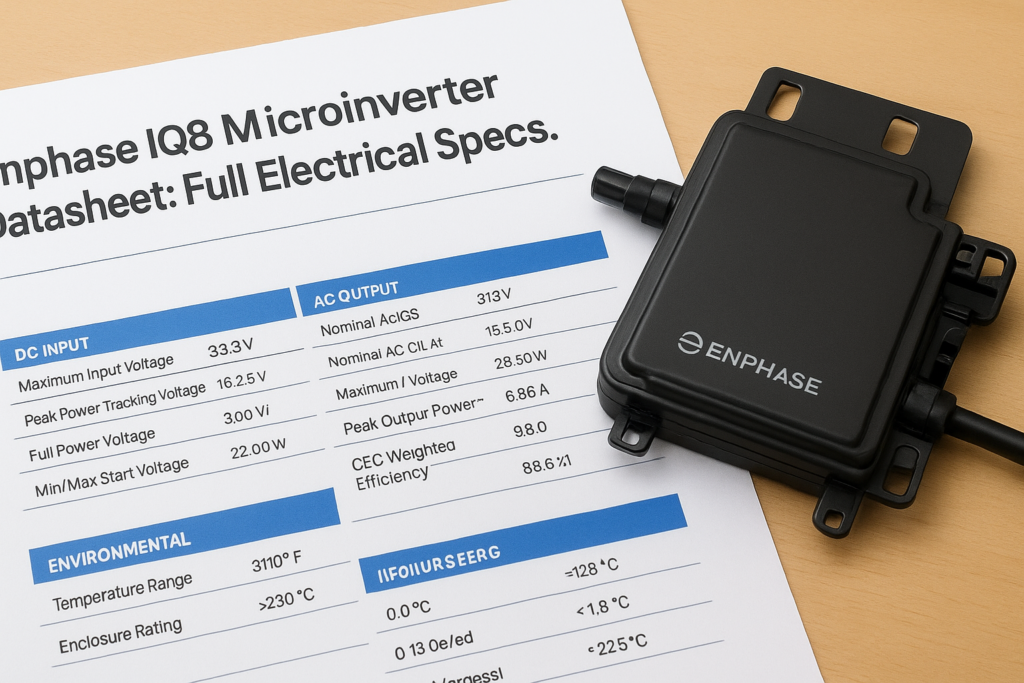
Solar electric panels with battery backup (e.g., Tesla Powerwall, Enphase IQ)
PROS:
- Renewable-Generates electricity from sunlight, reducing or eliminating reliance on fuel and lowering long-term energy costs
- Reliable- Proven track record of reliability under post storm conditions
- Silent operation-unlike generators.
- Low Maintenance- Solar panels and batteries require minimal upkeep compared to generators.
- Long Term Savings-After initial investment, electricity is essentially free, and systems can last 25-30 years
- Resilience: With sufficient battery capacity, 20-40 kWh, it can power your home practically forever.
- Incentives- Federal income tax credits of 30% (through 2032) can help offset costs.
CONS:
- Higher upfront costs-a robust system can cost $30,000 to $60,000 before incentives, depending on home size and energy needs
- Weather dependence-Cloudy or rainy days reduce solar output, potentially limiting battery recharging during these conditions
- Installation Complexity- requires professional design to ensure adequate solar panel and battery capacity.
PROS:
- Reliability-Provides consistent power regardless of weather conditions. Capable of running the entire home.
- High Capacity-Can handle heavy loads (e.g., multiple Central air conditioning units)
- Proven Technology-Widely used in hurricane prone areas like Southwest Florida
- Flexible Fuel Options-Available in natural gas, propane, or diesel.
CONS:
- Fuel dependence-
Requires a steady fuel supply which can be disrupted during hurricanes. A 20 kW whole home generator running 24/7 can consume 100-200 gallons per day. - Maintenance- Generators require regular maintenance, (e.g., oil changes and filter replacements) and testing to ensure reliability, costing as much as $500 annually.
- Noise and emissions- Even the “quiet” models produce noise, (60-70 dB) and emit exhaust.
- Initial cost- A whole home generator (20-40 kW) can cost as much over $20,000 after installation and automatic transfer switch.
Key Considerations:
- Outage Duration-Southwest Florida outages can last days to weeks (e.g., Hurricane Ian in 2022 caused outages up to 2 weeks in Lee County). Solar + battery excels for partial home coverage over long periods with sunny days, while generators are better for whole-home power during shorter, intense outages.
- The region’s abundant sunshine (average 265 sunny days/year) favors solar recharging.
- A typical 2,000 sq ft home may need 10-20 kWh/day for critical loads (fridge, lights, fans) or 40-60 kWh/day for full operation (including AC). Generators can handle larger loads easily, while solar + battery systems need careful sizing.
- Post-hurricane fuel shortages are common. Natural gas generators are less affected in urban areas like Fort Myers or Naples, but propane/diesel users may face delays
Contact us today for a free consultation.